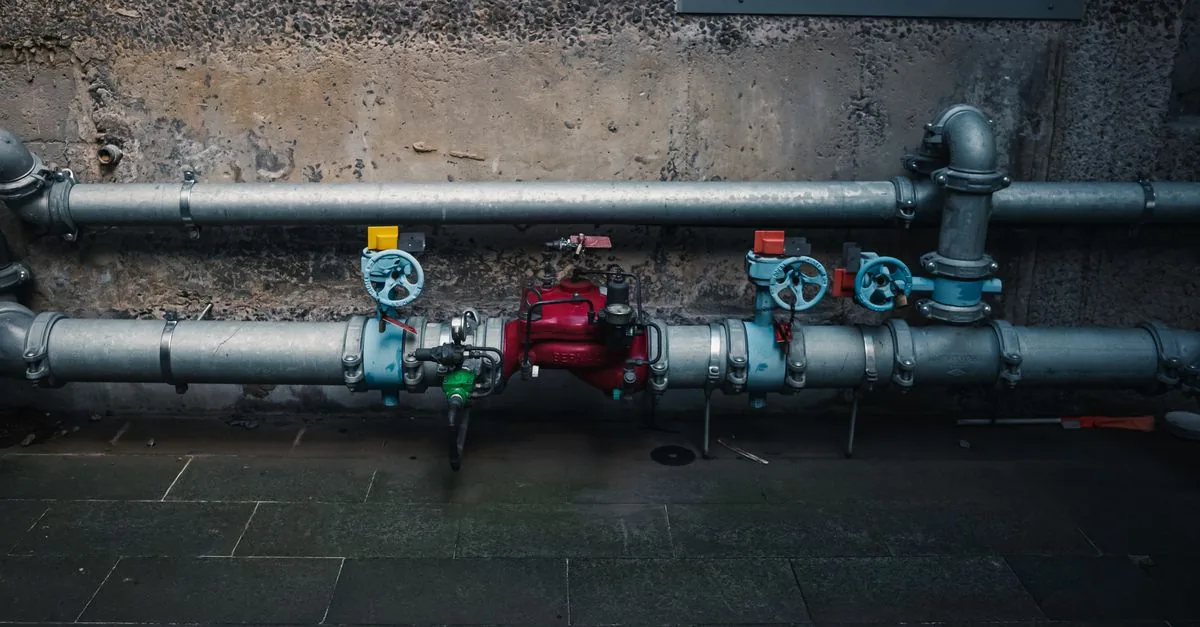
The smell that comes up from a drain is sewer gas from the waste line below. It should never reach your bathroom, because every drain in the flat is supposed to have a trap — a U-shaped or bottle-shaped bend that holds a small amount of water and forms a seal. Gas cannot pass through water. When you smell sewage, that seal has failed somewhere, or the pressure in the line is pushing gas past it.
The good news is that the commonest cause in Delhi costs nothing to fix and takes a minute. The useful skill is telling that apart from the two situations that need a professional. Work down this page in order.
A note first. XpertWorker is a marketplace, not a service company. We do not set any professional’s price and we never charge you a paisa. Every professional quotes you free before starting, and you pay them directly. If the fix is a mug of water down a floor trap, we would rather you did that than book anyone.
In this guide
First, the free fix: a trap that has dried out
This is the answer most of the time, and it is more common in Delhi than almost anywhere, because a 45°C summer evaporates a trap seal in a matter of days.
How it happens. A guest bathroom nobody uses. A floor trap in a corner that never gets water because the shower is at the other end. A bathroom in a flat that was locked up for two weeks. The water sitting in the bend simply evaporates, the seal breaks, and sewer gas comes straight up the pipe into the room.
The fix. Pour a mug or two of water slowly down every drain in the room — the floor trap, the basin, the shower drain, and the balcony or utility drain if there is one. Do all of them, not just the one you think is the culprit, because a floor trap is easy to overlook. Then flush the WC. Wait an hour. In most cases the smell is gone.
To stop it coming back:
- Run water in unused bathrooms once a week. Thirty seconds at each fitting. This is the entire preventive measure.
- Add a spoon of cooking oil after topping up a trap you will not use for a while. The oil floats on the water and slows evaporation considerably — useful before a long trip.
- Check the floor trap has a proper grating with a seal or a one-way flap. Many older Delhi flats have a plain open grating with a shallow trap under it that dries out fast; a modern anti-odour floor trap is a small part and it solves this permanently.
If the smell comes back within a day of topping the traps up, or it never went at all, move on.
Want a real quote for your own job?
Get free quotesSecond: a trap that is missing, wrong, or bypassed
If water does not fix it, the next question is whether there is a working trap there at all. In a lot of Delhi flats, particularly after a renovation or a fitting change, there is not.
- The washing machine drain hose pushed straight into a floor trap or a pipe. Extremely common. The hose goes down into the pipe past the water seal, so gas comes back up around it. The hose should discharge into an open, trapped gully or a proper standpipe, not be shoved down a drain.
- A basin fitted without a trap. When a basin is replaced quickly, the bottle trap is sometimes left off and a plain pipe run straight into the wall. It drains perfectly and smells permanently. Look under your basin: there should be a visible bend or a bottle-shaped unit, not a straight pipe.
- A trap that has cracked or come apart. Plastic bottle traps are hand-tightened and their washers perish. If the joint is weeping, the seal is not holding either.
- An old floor trap replaced with a modern floor drain that has no seal. The tile-work looks better and the odour barrier is gone.
- An abandoned drain point left open. If a fitting was removed during a renovation and the waste stub was never capped, that open pipe is a direct route from the soil line into your bathroom. This is a frequent finding and an easy fix.
All of these are a plumber’s visit rather than a DIY job, but they are small parts and quick work — worth knowing about so you can point at the right thing.
Third: a blocked line, or a venting problem in the stack
If the traps are healthy and the smell persists, the problem is in the line itself. Two possibilities, and you can tell them apart by listening.
A partial blockage. Waste that is not moving away properly sits in the line and ferments, and the smell comes up whenever the level rises. The tells are familiar: drains running slower than they used to, water taking a moment to start going down, a smell that gets stronger after heavy use rather than after a period of disuse. Our blocked drain guide covers what to try yourself first and how to tell a local clog from the main line.
A venting problem. This one is less well known and very common in Delhi high-rises. Every soil stack needs a vent — a pipe that lets air into the system as water runs down it. Without that air, running one fixture creates suction that pulls the water out of another fixture’s trap, and once that trap is empty, gas comes up. The signs are distinctive:
- Gurgling. The WC bubbles or the floor trap glugs when you drain the basin, run the shower or empty the washing machine. That is air being dragged through a water seal.
- The smell appears after someone upstairs uses water, not after yours.
- A trap that empties itself. You top it up, it is fine, and by evening the smell is back without the bathroom being unused.
- Several flats in the same column of the building complaining. That is the stack, not your flat.
Venting and stack problems are society territory. The vent pipe usually runs the height of the building to the terrace, and it can be blocked by debris, a bird’s nest, or — a Delhi classic — capped off during a terrace waterproofing job. One flat cannot fix that alone. Report it to the RWA, and mention if neighbours above or below have the same complaint, because that is the evidence that moves it.
Things people mistake for a sewage smell
Before you spend money, rule these out. Each has been the real answer often enough to be worth a minute.
- A leaking WC seal at the floor. If the pan rocks slightly or the sealant around its base has failed, waste can seep under it and the smell sits at floor level. Look for discoloured grout or a permanently damp ring around the base.
- Biofilm in the overflow slot of the basin. The little hole near the rim collects a slimy build-up that smells strongly and is nowhere near the drain. Flush it with hot water and a brush.
- The floor trap grating itself. Hair and soap matted under the grate rots. Lift it and clean underneath — it is often the whole problem, and free.
- Damp and mould, not sewage. A musty, earthy smell in an unventilated Delhi bathroom during monsoon is moisture, not the drain. Our bathroom care tips cover ventilation habits that fix it.
- A dry trap in a neighbouring room. Kitchen sinks, balcony drains and utility-area traps all connect to the same waste system. The smell in the bathroom can be coming through the door from a trap you never think about.
- A dead rodent or pest in a duct. Distinctive, strong, and gets worse for a week then fades. If it smells like decay rather than drains, that is what it is.
When to stop and call a plumber
Do the free things first — top up every trap, clean under the gratings, check the washing machine hose and look under the basin for an actual trap. Call someone when:
- The smell is back within a day of filling every trap in the flat.
- There is no trap under a fitting, or an open, uncapped waste stub left over from a renovation.
- Drains are slow as well as smelly, or the WC gurgles when you run water elsewhere.
- The WC pan rocks, or its base seal has clearly failed.
- The smell arrives when other flats use water, which points at the shared stack — raise that with the RWA at the same time.
When you call, describe the pattern rather than just the smell: when it started, whether the bathroom was unused, whether it follows your water use or someone else’s, and whether anything gurgles. That description is what tells a good plumber whether to look at your traps or at the stack, and it saves the visit that finds nothing. Our plumber charges guide covers what drives the cost of this kind of work.
Need an Plumber professional?
Get free quotes from independent, local professionals near you. XpertWorker never charges you — you pay the professional directly.
Get free quotes →Frequently asked questions
Why does my bathroom smell like sewage?
The smell comes back even after I pour water down the drain. Why?
Can a washing machine drain hose cause a sewage smell?
How do I stop a bathroom I never use from smelling?
Is a sewage smell in the bathroom dangerous?
Why does my whole flat smell of drains, not just the bathroom?
How we put this guide together
This guide is compiled from common Delhi NCR service patterns and reviewed by the XpertWorker team. XpertWorker connects you with independent, local professionals — we never charge you a paisa, and each professional sets their own price and quotes you free.