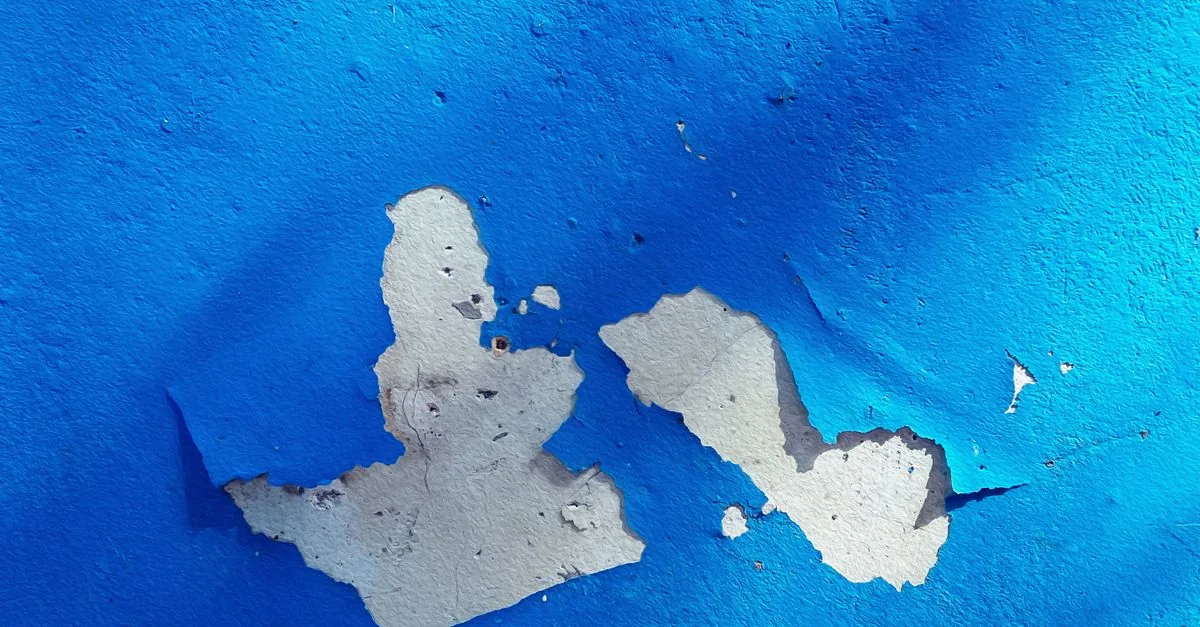
The wall was painted eighteen months ago. Now there is a patch near the skirting that has gone papery, and when you pick at it a sheet of paint lifts away and takes a little powder with it.
The instinct is to blame the paint or the painter. Usually neither is the problem. Paint is a thin film that is only as good as the thing it is stuck to — and in a Delhi flat there are four common reasons it stops sticking: moisture pushing from behind, a dusty or unprepared surface, the wrong primer or no primer, and old distemper hiding under the new emulsion. They look similar on the wall and they need completely different fixes.
This guide gives you the free tests that separate them, in the order a good painter would do them.
A note first. XpertWorker is a marketplace, not a service company. We do not set any professional's price and we never charge you a paisa. Every professional quotes you free before starting, and you pay them directly.
In this guide
Four checks you can do yourself right now
All four are free, take about ten minutes, and between them they usually name the cause. Do these before you let anybody quote you for a repaint.
- 1. Touch the bare patch. Peel back a loose flake and put the back of your hand on the plaster. If it feels cool or faintly damp compared with the wall a metre away, you have a moisture problem and paint is not the answer. Dry, dusty and chalky points somewhere else.
- 2. Rub the exposed surface with a finger. If a soft white powder comes off on your finger, you are looking at old distemper or a chalking finish. Emulsion painted on top of that is stuck to loose powder, not to the wall, and it will peel again.
- 3. The tape test. Press a strip of packing tape firmly onto a sound-looking painted area next to the damage, then pull it off in one movement. If it lifts paint, the bond across the whole wall is weak — this is a preparation problem, not a local one.
- 4. Look at what is on the other side. Walk round and see what backs onto the failing wall. A bathroom, a kitchen sink, an outside wall, a terrace above, or the neighbour’s bathroom in a shared wall. In flats, the far side of the wall explains the near side more often than anything else.
Note where the peeling is, too. Low down near the skirting suggests rising damp or mopping water. High in a ceiling corner suggests a leak from above. A single band across the middle of a wall in an otherwise fine room often means a pipe.
Want a real quote for your own job?
Get free quotesThe four reasons paint peels in a Delhi flat
Match what you found above to one of these. The fix is different in each case, and only one of them is actually about paint.
- Moisture from behind. The most common cause by a distance. Water reaching the plaster from a leaking pipe, an unsealed terrace slab, a shared bathroom wall or driving monsoon rain on an exterior wall pushes the paint film off from behind. The giveaways are bubbling before flaking, a damp or cool feel, a brown tide mark, or a white salty bloom on the plaster. Repainting over this hides it until the next monsoon and no further.
- Dust and poor preparation. Delhi is the dustiest big city many of these painters work in. A wall that is sanded on Monday and painted on Wednesday has a fresh film of fine grey dust on it, and paint applied over dust bonds to the dust. This shows up as wide, thin sheets of paint lifting cleanly, with no damp anywhere — the tape test usually confirms it.
- Wrong primer, or no primer. Primer is the glue layer between the wall and the paint. Skipping it, or using an interior primer on an exterior wall, or putting a water-based coat directly over an old oil-bound surface, all end the same way. Peeling from primer failure tends to be even across a whole wall or a whole room rather than in one patch.
- Old distemper underneath. Very common in older Delhi flats and in rented ones. Distemper is a chalky, water-soluble finish that was painted on for decades. Emulsion rolled straight over it grips a powder layer that is barely attached to the plaster. It looks perfect for a year, then comes off in large sheets with white powder on the back.
If it is moisture, stop and fix the water first
This is the part that saves the most money, so it gets said plainly: painting a damp wall is paying for the same job twice. The new coat will look excellent for one dry season and fail in the first serious rain.
Where the water comes from in a Delhi flat is usually one of a short list:
- The terrace or roof slab, if you are on the top floor. Cracked or aged waterproofing lets monsoon water sit on the slab and travel down into ceiling corners and the tops of walls. See our terrace waterproofing guide.
- A shared bathroom wall. In flats, your bedroom wall is often the back of somebody else’s bathroom, or of your own. Failed waterproofing under their tiles seeps sideways into your plaster, and the damp patch appears on your side while nothing looks wrong on theirs.
- A concealed pipe. A slow leak in a wall-buried supply line gives a damp patch that does not change with the weather — it is there in May as much as in August. That is the clearest way to tell it from rain-driven damp.
- The exterior wall itself. Delhi monsoon rain driven onto an unsealed or cracked outer wall soaks through the masonry over days. The inside face goes damp, usually on the wall that catches the weather.
- Rising damp at the skirting. Ground-floor rooms and old buildings, made worse by daily wet mopping against the skirting.
Our guide on wall seepage and waterproofing walks through telling these apart. The rule is the same in every case: find the water, stop the water, let the wall dry, then paint.
What is the white powder coming through my wall?
If the powder is white, gritty and crystalline rather than soft and chalky, that is efflorescence — salts that were always in the brick, cement and sand, dissolved by water moving through the wall and left on the surface as the water evaporates.
It matters for two reasons. First, it is proof of moisture movement: salt cannot arrive on a wall that is dry. Second, it physically pushes paint off. The crystals grow under the film and lift it, so even a well-applied coat over active efflorescence will blister.
- Do not just paint over it. Sealing salt under a fresh film traps it and it comes back through, usually with more paint attached.
- Do not wash it with lots of water. Water dissolves the salt back into the wall, and it returns when the wall dries again. Brush it off dry, repeatedly, over the drying period.
- Fix the water source and let the wall dry out fully. This can take weeks after the monsoon, not days. Salt that keeps reappearing after brushing means water is still arriving.
- Only then prime and paint, using a primer suited to alkaline masonry. Ask the painter what they are using and why.
Efflorescence on a fresh plaster or new concrete wall is slightly different — new masonry carries its own moisture and salts for weeks. That is one of several reasons new plaster should cure properly before it is painted.
What a proper repair looks like, step by step
Once the cause is dealt with, the repair itself is not complicated. It is mostly patience, and it is where corners get cut when a job is quoted purely on speed.
- Scrape back to sound material. Not just the loose flakes — keep going until the scraper stops lifting anything. A repair that stops at the edge of the visible damage fails at that edge within a year.
- Let the wall dry properly. After a leak is fixed, plaster holds water for a long time. Fans and open windows help. Painting a wall that is still drying is the same mistake in a new form.
- Deal with what is underneath. If it is distemper, it comes off. If it is chalking, it gets sanded and sealed. This is the step most often skipped because it is dusty, slow and invisible in the finished job.
- Repair the plaster if needed, then putty to level, then sand. Our putty and primer guide explains when putty is genuinely needed and when it is not.
- Dust the wall immediately before priming. In Delhi this is not optional. A wall sanded yesterday needs wiping down today.
- Prime the whole wall, not just the patch, then paint the whole wall corner to corner. A patch painted in the middle of a wall will always show, because the surrounding paint has already faded.
Getting the sequence and the season right matters as much as the products. Our guide on the best time to paint and waterproof in Delhi covers why monsoon repainting so often fails, and preparing your home before painters arrive covers your side of it.
Need an Painting & Waterproofing professional?
Get free quotes from independent, local professionals near you. XpertWorker never charges you — you pay the professional directly.
Get free quotes →Frequently asked questions
Why is my paint peeling off the wall?
Can I just paint over peeling paint?
How do I know if my wall has damp or just bad paint?
What is the white powder on my wall under the paint?
Why does paint keep peeling in the same spot every year?
Does XpertWorker do the painting or set the price?
How we put this guide together
This guide is compiled from common Delhi NCR service patterns and reviewed by the XpertWorker team. XpertWorker connects you with independent, local professionals — we never charge you a paisa, and each professional sets their own price and quotes you free.