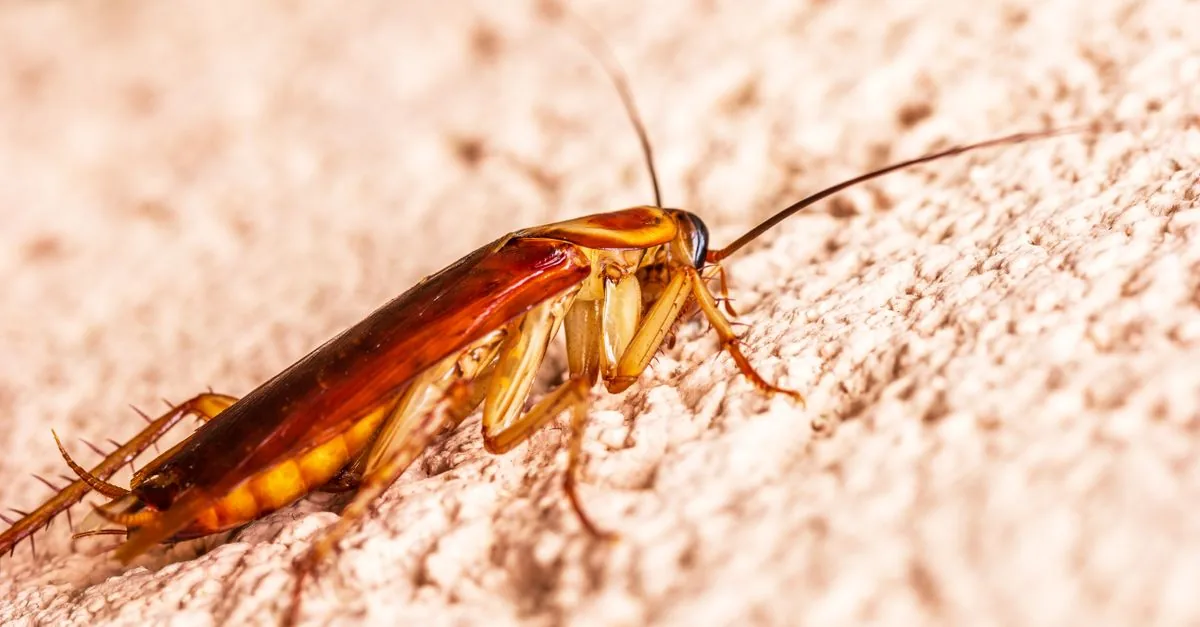
Ants and cockroaches get lumped together as “kitchen pests” and treated the same way, which is why people have such mixed results. They behave differently, they want different things, and the thing that works on one can actively make the other worse.
Both peak in Delhi through the warm, humid months. Both are far easier to keep out than to remove.
One note first. XpertWorker is a marketplace, not a service company. We do not set any professional’s price and we never charge you. When a job below needs a professional, you choose an independent local one who quotes you free and whom you pay directly.
In this guide
1. Ants: do not break the trail (yet)
Ants navigate by a pheromone trail laid by scouts. That trail is information — and it is also your best tool, so the instinct to immediately wipe it away is the wrong one.
- Follow the line first. Both ways. It leads to the food source at one end and, more usefully, to the entry point at the other. Ten minutes of watching tells you more than any spray.
- Then remove the food and seal the entry. That is the actual fix.
- Only then clean the trail, with soapy water or a vinegar solution, which breaks the pheromone rather than just moving it.
- Do not spray a general insecticide along an active trail. This is the common mistake: it kills the visible ants and scatters the colony's routing, and you frequently end up with several new trails instead of one. Bait is what reaches the nest.
- Store anything sweet or oily in sealed containers. Not a folded packet with a clip. Honey, jaggery, sugar, oil bottles — wipe the outside of the jar too, since that is usually what they found.
- Check the potted plants on the balcony. Ant nests in pot soil are a very common Delhi source, and no amount of kitchen cleaning addresses one.
Want a real quote for your own job?
Get free quotes2. Cockroaches: it is not about how clean you are
Worth saying plainly, because people are embarrassed by this and delay dealing with it. In a multi-storey Delhi building, cockroaches arrive through shared drainage from the building's plumbing, not from your kitchen habits. A spotless flat on the ninth floor gets them.
- Cover every floor drain and keep the traps wet. This is the main entry route — our pest-proofing tips cover the sealing job in full.
- Ask for gel baiting rather than spraying. Gel is placed in cracks and hinge recesses; the insects carry it back to where they harbour, which is where the problem actually lives. Spray kills what you can see. See our cockroach control guide.
- Get the cardboard out. Cartons under the sink or on top of cabinets are the commonest breeding site in a Delhi kitchen.
- Fix the drip under the sink. They need water more urgently than food.
- Talk to your neighbours and the RWA. If it is coming up the stack, treating one flat moves the problem next door and it returns. Building-wide is what works.
3. The five-minute routine that does most of the work
Done at night, because that is when both pests move.
- Wipe the counter and the hob — specifically the oil film, not just crumbs. That film is the food supply.
- Empty the sink and wipe it dry. Standing water in a sink overnight is an invitation.
- Bin out, or lidded. Every night, without exception in summer.
- Sweep under the dining table and the fridge gap. Ten seconds.
- Pet bowl up. Food and water both.
- Close the sink drain if it has a plug.
4. When to stop trying and call someone
- You see cockroaches during the day. They are nocturnal; daytime activity generally means the population has outgrown its hiding places.
- You find egg cases — small brown capsules in cracks, behind the fridge, inside cabinet hinges.
- Multiple ant trails from different directions, or a trail you have sealed that simply moves.
- It comes back within weeks of each attempt. That means a nest or harbourage you have not found, which is the thing a professional is actually for.
- Ants inside an appliance — a microwave, a washing machine control panel. Do not spray into electronics; get advice.
Do the sealing and hygiene work before the treatment rather than after — a treated kitchen with the gaps still open is a kitchen you will be treating again. Our pest control price list covers what each treatment costs, and the herbal guide covers the low-odour option if you have infants or pets at home.
Need an Pest Control professional?
Get free quotes from independent, local professionals near you. XpertWorker never charges you — you pay the professional directly.
Get free quotes →Frequently asked questions
How do I get rid of ants in my kitchen?
Why do ants keep coming back after I spray them?
Why do I have cockroaches even though my kitchen is clean?
When should I call a professional for kitchen pests?
How we put this guide together
This guide is compiled from common Delhi NCR service patterns and reviewed by the XpertWorker team. XpertWorker connects you with independent, local professionals — we never charge you a paisa, and each professional sets their own price and quotes you free.