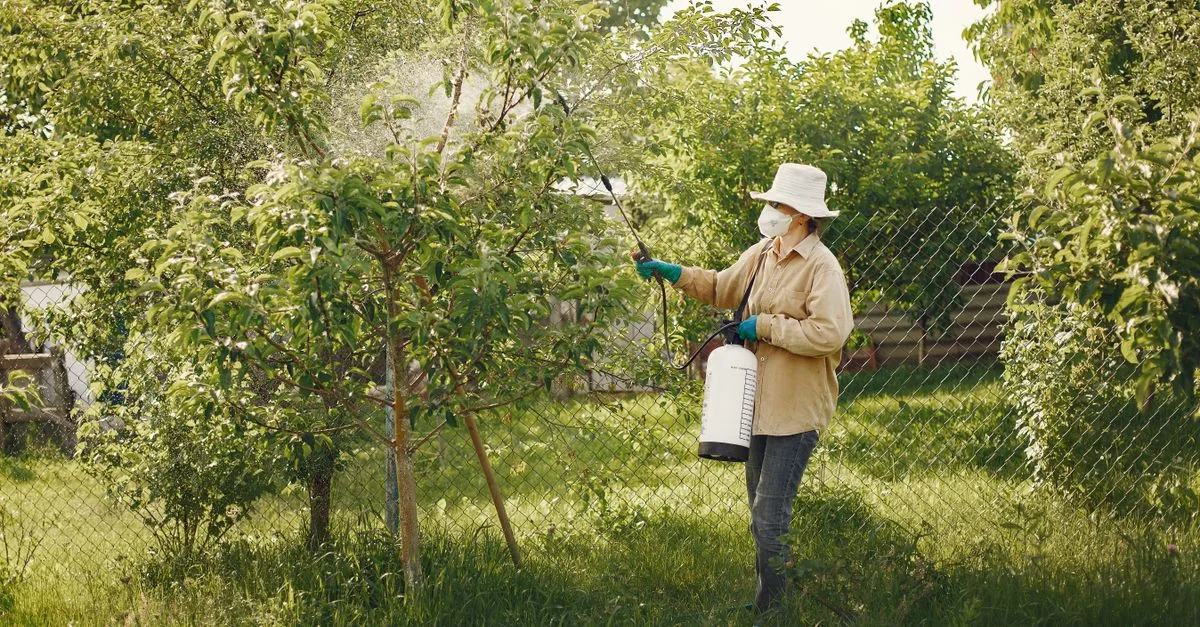
People search for this for one of three reasons: a baby in the house, someone with asthma or a respiratory condition, or a pet. Those are good reasons to ask questions, so this page tries to answer the real one rather than the marketing one.
Here is the honest starting point. “Herbal” is not a regulated term in India. It is not a certification and it does not carry a defined standard. It generally describes treatments built around plant-derived actives — pyrethrum from chrysanthemum, neem, essential oil formulations — and, in practice, treatments chosen for low odour and quick re-entry.
What it does not mean is “harmless”. Plant-derived is not the same as inert; pyrethrum is a plant extract and it is a potent insecticide, which is rather the point. Anything that kills insects deserves the same care around infants and pets regardless of what it is derived from.
A note on these numbers. XpertWorker is a marketplace, not a service company. We do not set any professional's price and we never charge you a paisa. Every figure below is an indicative market range collected from what independent professionals in Delhi NCR generally charge — a guide to help you judge a quote, not a quote itself.
In this guide
Herbal pest control rates — Delhi NCR, 2026
The premium over a standard treatment is real and consistent. Products cost more and, because the residual action is generally shorter, the schedule is often tighter.
| Job | Typical market range | What it usually includes |
|---|---|---|
| Herbal / odourless treatment | ₹1,500–3,500 | Plant-derived or low-odour formulations |
| General pest control — 1BHK | ₹600–1,000 | Standard treatment, for comparison |
| General pest control — 2BHK | ₹800–1,500 | Standard treatment, for comparison |
| Cockroach & ant treatment | ₹700–1,500 | Targeted, often gel-based |
| Annual pest control (AMC, per year) | ₹2,000–5,000 | Where it needs repeating each season |
Indicative Delhi NCR market ranges, 2026. Each professional sets their own charge and quotes you free before starting. Parts are normally billed on top of labour.
Want a real quote for your own job?
Get free quotesWhat you actually get for the premium
- Much less smell. This is the reliable, real benefit and often the whole reason people book it. A standard residual spray can leave a flat smelling for a day or two; low-odour formulations largely do not.
- Shorter re-entry time. Usually hours rather than most of a day. In a small flat with a baby, that difference is the difference between doable and not.
- Generally shorter residual action. This is the trade-off, and it is the one nobody volunteers: many plant-derived actives break down faster, so protection may not last as long and repeat visits may be needed sooner.
- Not always available for every pest. It suits cockroach, ant and general crawling-insect work. For termites, bed bugs or an established rodent problem, the effective options are narrower and a professional who says so is being straight with you.
Gel baiting — often the better answer than either
If your concern is spray in the air, the useful question is not always “herbal or chemical?” It is “does this need to be a spray at all?”
For cockroaches in particular, gel baiting places small dots of bait in cracks, hinge recesses and the backs of cabinets. There is no spraying, no mist in the air, and nothing on open surfaces. The insects carry it back to where they harbour, which is why it often outperforms spraying for a kitchen problem.
- Ask for gel where it suits the pest. Cockroaches and ants respond well to baiting.
- Placement still matters with children and pets. Gel goes inside cracks and behind units, out of reach — ask where it is being placed and check afterwards.
- It works more slowly than a spray and that is expected. The effect builds over days rather than being visible in an hour.
Our cockroach control guide covers the approach in detail.
The questions worth asking
These matter more than whether the word “herbal” is on the invoice.
- “What product are you using, and can I see the label?” A reasonable question and an easy one for a professional to answer. The label is the real information.
- “How long should we stay out, and how long should I ventilate?” Get a specific answer in hours and follow it. Then air the flat longer than the minimum.
- “Which surfaces will be treated?” Nothing should go on food-prep surfaces, cots, toys or pet bedding. Clear and cover those before the team arrives.
- “What do I do about the fish tank?” Cover it and switch the pump off — insecticides are extremely toxic to fish, herbal or otherwise. Say if you have one.
- “How long before it needs repeating?” Set the expectation up front so a shorter interval is not a surprise.
- “Can we do the free part first?” Sealing gaps, fixing leaks and removing food residue reduces how much treatment is needed at all — the best outcome for a household worried about chemicals is needing less of them.
Our monsoon prevention tips cover that free part, and the pest control price list covers every other treatment.
Need an Pest Control professional?
Get free quotes from independent, local professionals near you. XpertWorker never charges you — you pay the professional directly.
Get free quotes →Frequently asked questions
How much does herbal pest control cost in Delhi?
Is herbal pest control safe for babies and pets?
What is the difference between herbal and chemical pest control?
Is there a pest control option with no spraying at all?
What should I do before a pest control visit with an infant at home?
Does XpertWorker do the treatment or set the price?
How we put this guide together
The ranges in this guide are indicative market rates compiled from real jobs across Delhi NCR and reviewed by the XpertWorker pricing desk. They are not quotes, and they are not our prices — every independent, local professional sets their own charge and quotes you free before any work starts.