If water is running right now, stop reading after the next section. Everything else on this page can wait; the water cannot.
Most home water emergencies in Delhi come from a small number of places: an overhead tank that kept filling because the float valve stuck, a corroded galvanised pipe in an older flat that finally gave way, a geyser that burst, a washing machine hose that came off, or a drain that backed up in heavy monsoon rain. In a flat, all of them have the same second act, which is water finding its way into the flat below.
The useful skill is not plumbing. It is knowing where your shut-offs are before you need them, and doing four things in the right order.
A note first. XpertWorker is a marketplace, not a service company. We do not set any professional’s price and we never charge you a paisa. Every professional quotes you free before starting, and you pay them directly.
In this guide
What do I do first when water is flooding my flat?
Do these in order. They cost nothing and they decide how much damage you end up paying to repair.
- 1. Cut the power to the affected area at the distribution board. Before you step into standing water or start mopping. Water near sockets, extension boards, a geyser or the board itself is the part of this that can actually hurt someone. Switch the circuit off at the MCB, or the main switch if you are not sure which circuit it is. Never reach for a switch while standing in water.
- 2. Switch off the pump. Almost every Delhi flat is fed from a tank filled by a pump. If the pump is running, it is adding water. The pump switch is usually near the kitchen, the service balcony or the meter area.
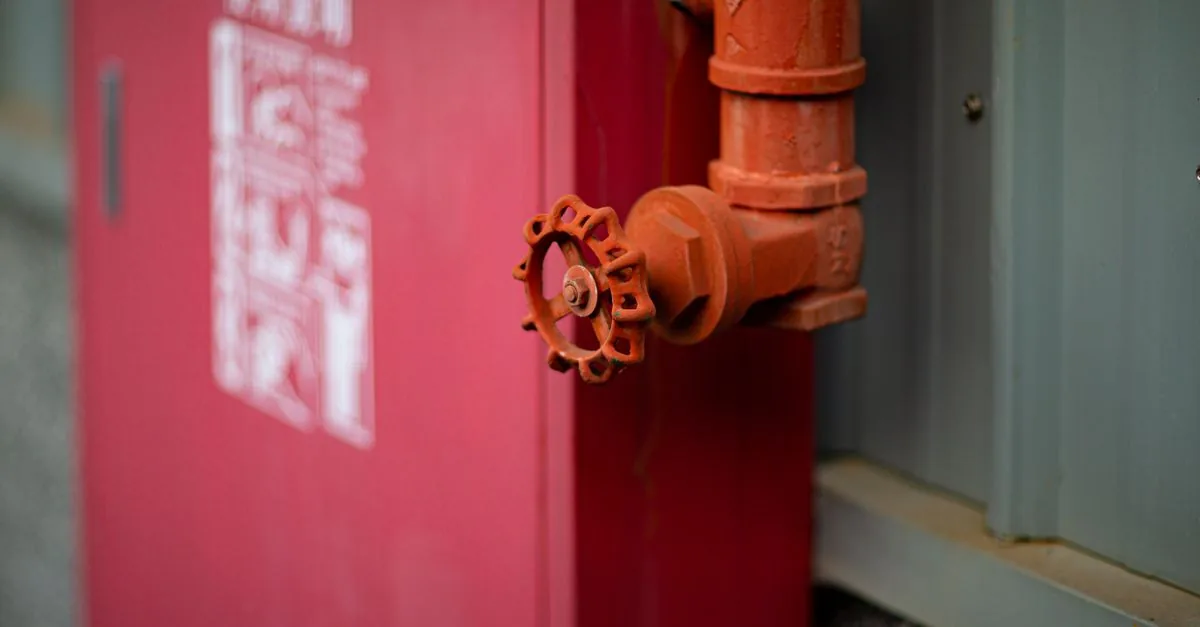
- 3. Close the water shut-off. There is normally an isolating valve where the supply enters the flat, plus smaller angle valves under each basin and behind each WC. Turn clockwise to close. If the leak is on one fixture, the small valve is enough; if you cannot tell, close the main one.
- 4. Switch off the geyser if the water is hot, and stop using it. An electric geyser heating a tank that has emptied is a damaged geyser.
- 5. Contain, then photograph. Buckets, towels, a mop. Then photos of where the water is coming from and what it has damaged, taken before you clean up. For a landlord, a neighbour, a society or an insurer, these photos are the only version of events that survives.
- 6. Warn the flat below. Water goes down through the slab and shows up in their ceiling, often an hour later. Telling them yourself is far better than them finding out.
Want a real quote for your own job?
Get free quotesWhere are the shut-offs in a typical Delhi flat?
Find these on a calm afternoon, not at 2am with a torch in your teeth. Ten minutes now removes most of the panic later.
- The flat inlet valve. Usually a lever or wheel valve where the supply line enters, commonly in a bathroom, in the kitchen service area, or in a duct behind an access panel. Closing it stops water to the whole flat.
- Angle valves at each fixture. Small chrome valves under every basin, behind every WC, and at the washing machine point. These let you isolate one leaking fixture without shutting off the whole flat.
- The pump switch. Know which switch runs the pump, and label it. Many families discover the pump has been quietly refilling an overflowing tank for an hour.
- The overhead tank inlet. On the terrace or the roof of your block. In many buildings there is a valve at the tank as well as the float valve inside it.
- The riser isolator. In apartment blocks each vertical stack usually has an isolation valve in the shaft or the basement. You will not operate this yourself — but knowing it exists tells you what to ask the caretaker for.
- The main switch and the MCB for wet areas. Water emergencies are electrical emergencies too. Label the MCBs for the bathrooms, kitchen and geyser so anyone at home can kill the right one.
Write all of this on a single sheet and stick it inside a kitchen cupboard. Our emergency numbers and shut-offs page is that sheet, ready to fill in.
The water emergencies Delhi flats actually get
Different sources, different first move. This is what each one usually turns out to be.
- Overflowing overhead tank. The commonest of all, and the least dramatic until the water finds a wall. The float valve has stuck open. Switch the pump off first; the water stops almost immediately. The float valve is a small, cheap part and a normal daytime plumbing job.
- A burst or weeping galvanised pipe. In older Delhi flats the original GI plumbing rusts from the inside for years, then fails at a joint. Close the flat inlet valve. This is a repair, not a patch — if one length has gone, the rest is the same age.
- Geyser leak or burst. Switch off the geyser at its own switch and at the MCB, then close the small valve on its inlet. Hot water leaks are also a scalding risk, so keep children out of the room.
- Washing machine inlet hose. Close the angle valve at the tap point. Get into the habit of closing that tap between washes; a burst inlet hose with nobody home is one of the worst versions of this.
- Drain backing up in monsoon. Water rising out of a floor trap or a WC is drainage, not supply, so shutting the inlet valve will not help. Stop adding water, move things off the floor, and call the society first — a monsoon backup is usually a shared line, not yours alone.
- Water appearing from the flat above or a shared wall. Do not break anything. Photograph it, tell the neighbour and the society in writing, and let them isolate their side. Our wall seepage guide explains how the source is traced.
When does a leak become an electrical danger?
The moment water reaches wiring, a socket, an appliance or the distribution board. That is the part of a water emergency that can injure someone, and it is the reason power comes before mopping.
- Standing water on the floor with sockets at skirting level. Common in older flats. Kill the circuit before you walk in.
- Water running down a wall that contains wiring, or dripping onto a switchboard. Switch off at the main and leave it off. Do not test whether it still works.
- A ceiling with water in it, above a light fitting. Switch off the lighting circuit. Water pooling above a fitting can come down through it.
- An inverter or battery in a flooded area. Keep away and switch it off at its isolator if you can do so from dry ground. Do not move a wet battery.
- Anything that gives you a tingle. Stop, leave the area, switch off at the main and call an electrician. A tingle from a wet wall or an appliance body means current is finding a path it should not have.
Once things are dry, have the affected circuits checked before you rely on them again. Our electrical safety tips cover the warning signs, and a socket that stops working after water is a common aftermath. Never open a socket or a board to dry it out yourself.
What to do after the water is stopped
The repair is only half of it. Drying and recording matter almost as much.
- Get air moving. Open windows, run fans, lift wet rugs and mattresses off the floor. In Delhi’s summer heat drying is fast; in monsoon humidity it is slow and this is when mould starts in the plaster.
- Write it down while it is fresh. Date, time, where it came from, who you called, what they said. Add the photos. If a neighbour, landlord or society is involved, this record is what the conversation runs on.
- Decide what is urgent and what is planned. Stopping the water is urgent. Opening a wall to replace a buried line, or repainting, is planned work that should happen in daylight with materials on hand. Paying an out-of-hours premium for cosmetic work is money wasted — our emergency plumber guide covers that split honestly.
- Fix the cause, not just the symptom. A stuck float valve will stick again. A pipe that failed once in an old flat tells you about the rest of the plumbing. A ceiling stain that came from above will come back next monsoon unless the source is treated.
- Label your valves before you forget. A marker pen and a luggage tag on the inlet valve and the pump switch is the single best thing to come out of a bad night.
If you are not sure which trade you need for the aftermath, our who to call for home repairs guide sorts it out, and water supply and tank tips covers keeping the tank side out of trouble in the first place.
Need an Plumber professional?
Get free quotes from independent, local professionals near you. XpertWorker never charges you — you pay the professional directly.
Get free quotes →Frequently asked questions
What should I do first if a pipe bursts in my flat?
Where is the main water shut-off valve in a Delhi flat?
My overhead tank is overflowing. How do I stop it?
Is water near an electrical socket dangerous?
Water is coming into my flat from the flat above. What should I do?
Do I need an emergency plumber or can it wait until morning?
How we put this guide together
This guide is compiled from common Delhi NCR service patterns and reviewed by the XpertWorker team. XpertWorker connects you with independent, local professionals — we never charge you a paisa, and each professional sets their own price and quotes you free.