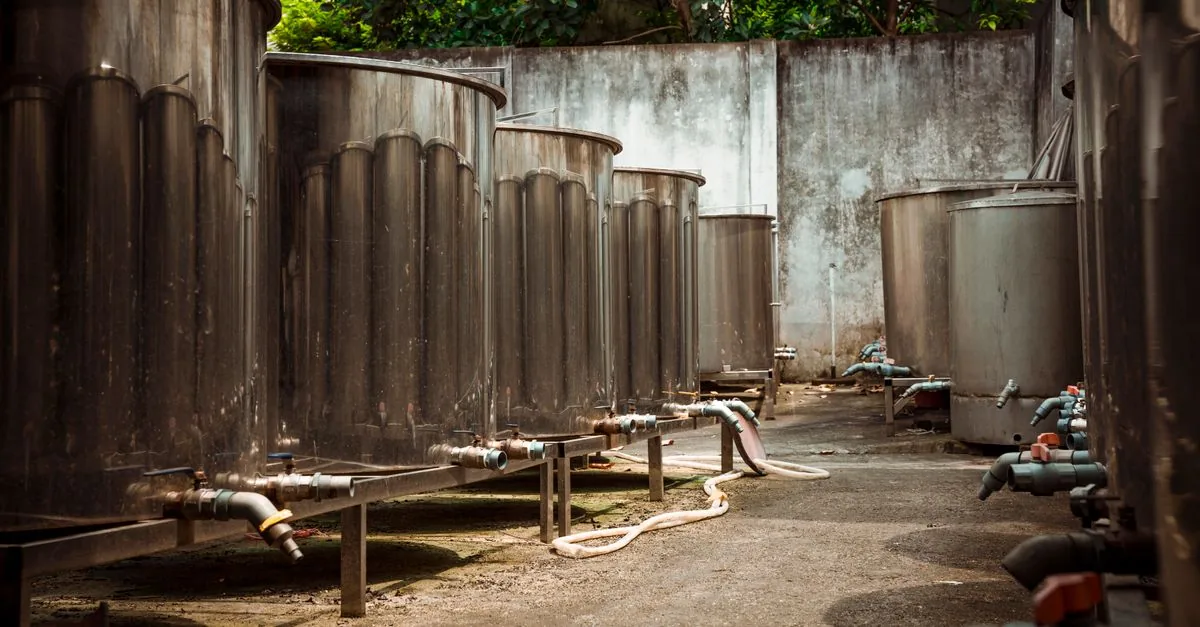
Water in Delhi NCR arrives on a schedule, gets stored, and then gets pumped. Each of those three stages has a failure mode, and most households only learn where the relevant valve is on the day something is running down a wall.
None of this takes long to sort out. It is mostly knowing where things are before you need them.
One note first. XpertWorker is a marketplace, not a service company. We do not set any professional’s price and we never charge you. When a job below needs a professional, you choose an independent local one who quotes you free and whom you pay directly.
In this guide
1. Learn your system on a calm day
- Find the main stop valve for your flat and turn it once to check it actually works. A valve that has not moved in ten years often will not when you need it. This is the single most useful thing on this page.
- Find the isolation valves under each washbasin and behind each WC. Being able to stop one fixture rather than the whole flat turns an emergency into an inconvenience.
- Know your supply. Municipal, borewell, tanker, or a mix — and what the timings are. It changes what problems you get.
- Know where the tanks are — the overhead tank, and any underground sump — and who is responsible for them, you or the society.
- Photograph the arrangement and keep it on your phone. It is genuinely useful when explaining a problem to a plumber over the phone.
Our emergency plumber guide covers why stopping the water first is what limits the damage — and often turns a night call-out into a morning appointment.
Want a real quote for your own job?
Get free quotes2. The tank nobody looks inside
- Get it cleaned periodically. Sediment settles and biofilm builds on the walls regardless of how clean the incoming water is. Everything you drink, cook and bathe with passes through it — our tank cleaning guide covers the job.
- Both tanks, if you have two. The underground sump usually needs it more than the overhead one and is far more often forgotten.
- Check the lid seals. An overhead tank with a loose or missing lid takes in dust, leaves, insects and worse. This is a five-second check with real consequences.
- Ask the society when the shared tank was last done, and ask for the date rather than a reassurance. In many Delhi buildings the honest answer is longer ago than anyone assumes.
- Look at the overflow pipe occasionally. Water running from it means the float valve has failed — a silent, continuous waste that nobody notices because it discharges outside.
- Note that a tank feeds your purifier too. Sediment from a dirty tank chokes RO pre-filters early — see our drinking water tips.
3. Pump habits
- Do not run a pump dry. Running one with no water is what destroys the seal and then the motor, and it happens in minutes rather than hours. If the supply has stopped, switch the pump off.
- Set a phone timer if you fill manually. The classic Delhi mistake is switching on the pump and forgetting — you either burn it out or you overflow the tank for an hour.
- An auto cut-off or float switch pays for itself quickly if you fill manually. Ask about one.
- Listen to it. A pump that has become noisy, vibrates more, or takes longer to prime is telling you something. Our pump guide covers the diagnosis.
- Keep the area around it dry and ventilated. A pump sitting in a damp, closed cupboard corrodes.
- Know which MCB it is on so you can isolate it quickly.
4. Pressure, waste and the small leaks
- Weak flow at one tap only is usually a clogged aerator — unscrew the tip, rinse the mesh, refit. Free, and it is the commonest cause. Our low pressure guide covers the rest.
- Weak flow everywhere points at the tank level, the pump or a partly closed main valve.
- Fix drips the week they start. A drip becomes a run, and a run wastes a genuinely large volume over months — see our water saving tips.
- Check for a running cistern. Put a little colour in the tank; if it reaches the bowl without flushing, the flapper is leaking. This is the biggest silent water waste in most homes.
- Look under the sink occasionally with a torch. A slow weep behind a cabinet does its damage entirely out of sight.
- Before you travel, close the main valve. Thirty seconds, and it removes the possibility of coming home to a flooded flat.
Need an Plumber professional?
Get free quotes from independent, local professionals near you. XpertWorker never charges you — you pay the professional directly.
Get free quotes →Frequently asked questions
Where is the main water stop valve in a Delhi flat?
How often should a water tank be cleaned?
Why does my water pump keep failing?
How do I find a silent water leak?
How we put this guide together
This guide is compiled from common Delhi NCR service patterns and reviewed by the XpertWorker team. XpertWorker connects you with independent, local professionals — we never charge you a paisa, and each professional sets their own price and quotes you free.