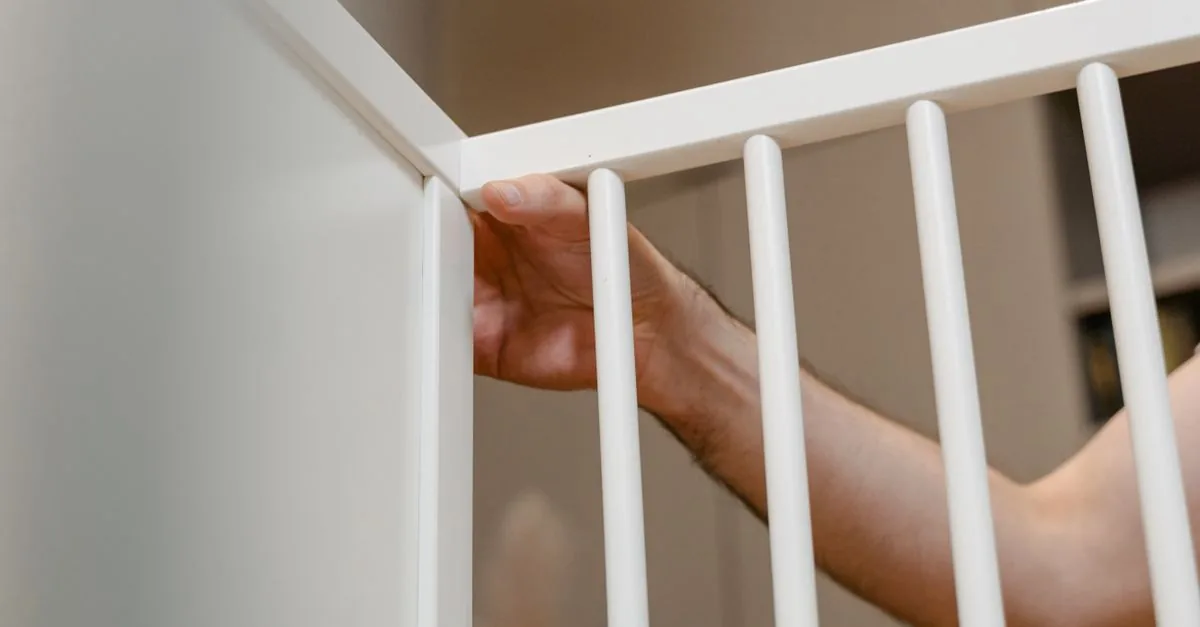
Childproofing is not about buying a kit. It is about walking through your own flat at your child’s height and dealing with what you find, hardest thing first.
A Delhi flat has its own list. Almost every balcony and window has a steel grille, which helps, but the railings behind them often have wide horizontal bars that work like a ladder. Most households store water in buckets and drums because supply runs to a timetable. Hot water arrives from a geyser at a temperature nobody set deliberately. Phenyl, acid cleaner and mosquito repellent refills live under the sink at exactly toddler height. And a lot of furniture is tall, free-standing and never anchored to a wall.
Work through this once properly and then re-walk it every few months, because the child changes faster than the flat does.
A note first. XpertWorker is a marketplace, not a service company. We do not set any professional’s price and we never charge you a paisa. Every professional quotes you free before starting, and you pay them directly.
In this guide
Where do I start childproofing?
On your knees, literally. Crawl or crouch through each room at your child’s eye level and you will see a different flat: the trailing cord, the gap under the bed, the loose socket cover, the bucket.
Then deal with them in this order, because the risks are not equal.
- 1. Falls from height. Balconies, windows, stair railings, the terrace door. Nothing else on this list is in the same category.
- 2. Water they can put their face into. Stored buckets and drums, filled bathtubs, the cooler tank, the mop bucket.
- 3. Hot liquids and hot water. The geyser, the kettle, the tea on the table edge, the bucket carried from bathroom to bedroom.
- 4. Chemicals and medicines. Under the sink, on the bathroom shelf, in the handbag on the sofa.
- 5. Electricity. Sockets, trailing extension boards, chargers.
- 6. Furniture that can tip, trap or cut. Wardrobes, TV units, glass tops, doors and drawers.
Want a real quote for your own job?
Get free quotesBalconies, grilles and windows: the Delhi specifics
This is the part to get right first, and the part where a Delhi flat differs most from a generic checklist.
- Check the gaps, not just the presence of a grille. A grille with wide spacing can still let a small child’s head or body through. Look at the actual openings in your grille and railing, and at the gap under the bottom rail, where children usually go.
- Horizontal railings are climbing frames. Many older Delhi balconies have horizontal bars or a low parapet with a rail on top. If the design offers footholds, a determined three-year-old will use them. Vertical members with close spacing are far harder to climb.
- Move every piece of furniture away from the railing. A stool, a plant stand, a stack of buckets, a cooler, a folded chair, a low storage box. Height plus something to stand on is the entire mechanism of a balcony fall.
- Keep one grille panel openable for escape, but put the key out of reach. This is a genuine conflict: fire safety wants an openable panel, child safety wants it shut. The answer is a panel that opens with a key kept high, where every adult knows it and no child can reach it. Our home fire safety guide explains the escape side.
- Fit window restrictors or locks on openable windows above ground level, so a window opens far enough for air but not far enough to climb through.
- Mind the air conditioner gap. Window units and split unit pipe cutouts often leave an opening in the grille or window that nobody thinks of as an opening. Have it closed properly.
- Never leave a child alone on a balcony, even a grilled one, and keep the balcony door latched at adult height. A high latch on the terrace or balcony door is one of the cheapest changes you can make. Our balcony and terrace care tips cover the maintenance side.
Stored water, buckets and hot water
Delhi households store water because supply is timed, and stored water is the risk most western checklists never mention.
- Cover or empty every stored container. Drums, buckets, the bathroom tub, the balcony storage barrel. A small child can drown in a very small depth of water, and it happens quietly. If a container must stay filled, keep it lidded and behind a closed door.
- Keep the bathroom door shut, with a high latch. The bathroom is where the buckets, the WC, the cleaning chemicals and the wet floor all are. A latch at adult height solves most of the room in one step.
- Turn the geyser thermostat down. Many geysers are left at a setting far above what anyone actually uses, and the water that comes out first is the hottest. Set it lower and mix less cold water into your bucket — a lower stored temperature reduces the severity of a scald.
- Never leave a filled hot bucket unattended, and never on the floor where a child can reach in or tip it. Carry it, use it, empty it.
- Keep the cooler tank closed and out of reach in summer, and the mop bucket emptied after use.
- Move hot tea and food away from table edges, and skip tablecloths that a child can pull. Pull down a cloth and everything on it comes with it.
- Turn pan handles inward on the hob, use the back burners where you can, and keep children out of the kitchen while cooking. A high gate or a closed door at the kitchen entrance is worth the argument.
Sockets, cords and blinds
Electrical childproofing at home is about covering, shortening and moving things — never about opening anything. Anything behind a plate is an electrician’s job.
- Cover unused sockets. Use socket covers that fit your socket type and are hard for a child to remove. Better still, many modern Indian sockets have built-in shutters that stay closed unless a proper plug is inserted; if you are replacing switchboards anyway, ask for shuttered sockets. Our switchboard and socket replacement guide covers what that job involves.
- Get extension boards off the floor. A board lying behind a sofa with three chargers in it is a chew toy at floor level. Mount it, box it, or move the load to a proper socket.
- Shorten and secure trailing cords. Lamp flexes, phone chargers, fan cords and the geyser cord in the bathroom. A cord a child pulls brings whatever it is attached to down with it.
- Tie up blind and curtain cords, every time. Looped cords from blinds are a strangulation risk and they hang exactly at toddler height. Use a cleat high on the wall, fit a breakaway or tension device, or choose cordless blinds for a child’s room. This is not a “when we get around to it” item.
- Do not leave chargers plugged in with the cable dangling, especially at bedside height.
- Act on any electrical warning sign immediately — a warm socket, a spark, a plate that has come loose. Switch that circuit off at the MCB and call an electrician; our electrical safety tips list the signs, and a socket that has stopped working should never be investigated with a screwdriver.
Furniture, glass, doors and chemicals
The carpentry half of childproofing is mostly anchoring and edges, and it is quick work for a carpenter who is already in the house for something else.
- Anchor tall furniture to the wall. Wardrobes, bookshelves, chests of drawers and TV units tip forward when a child opens the lower drawers and climbs. Anti-tip brackets are small, cheap and the single most useful carpentry item on this list. Wall-mount the television too.
- Deal with glass. Low glass table tops, glass shelves and glass cabinet doors at head height are worth replacing, filming or moving until the child is older. A glass-top centre table in a small living room is the classic one.
- Soften sharp corners on marble and stone counters, centre tables and window sills. Corner guards are ugly and they work.
- Fit finger guards or soft stops on doors, and think about the balcony and main door in wind. Delhi flats get sudden cross-draughts and doors slam hard.
- Put catches on the drawers and cabinets that matter, rather than all of them. The knife drawer, the cleaning cupboard, the medicine shelf.
- Make sure a child cannot lock themselves in. Bathroom and bedroom locks that can be opened from outside with a coin or a release pin are worth having. If yours cannot, that is a good reason to change the lock — see door lock replacement. Never remove a lock without replacing it.
- Move every chemical up, not just back. Phenyl, bathroom acid, bleach, detergent pods, drain cleaner, mosquito repellent refills, kerosene and paint. High shelf, closed cupboard, original labelled containers. Never decant a cleaner into a soft drink bottle — that is how the worst accidents happen.
- Same rule for medicines, handbags and mosquito mats. A visiting relative’s bag on the sofa is the most common source of loose tablets in a house.
If you want one afternoon of carpentry to cover most of this, ask for anti-tip brackets on tall furniture, high latches on the balcony and bathroom doors, corner guards, and a cleat for every blind cord. Then re-walk the flat at floor height and see what you still find.
Need an Carpenter professional?
Get free quotes from independent, local professionals near you. XpertWorker never charges you — you pay the professional directly.
Get free quotes →Frequently asked questions
How do I childproof a balcony in a Delhi flat?
Are socket covers necessary in Indian homes?
What temperature should I set my geyser to with a small child at home?
Is stored water in buckets a danger for toddlers?
How do I stop a wardrobe or TV unit from tipping over?
Are blind and curtain cords really a hazard?
How we put this guide together
This guide is compiled from common Delhi NCR service patterns and reviewed by the XpertWorker team. XpertWorker connects you with independent, local professionals — we never charge you a paisa, and each professional sets their own price and quotes you free.