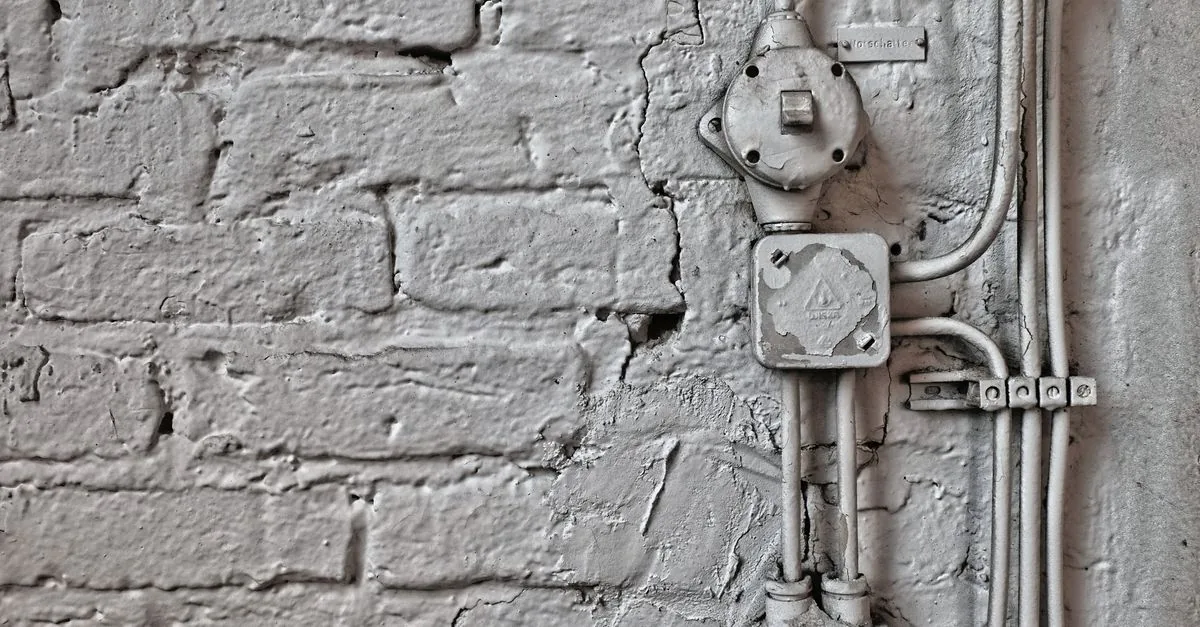
A great deal of Delhi housing was built decades ago, to standards and for household loads that no longer resemble how anyone lives. The flats themselves are often excellent — thick slabs, generous rooms, real cross ventilation, established colonies. What ages badly is the wiring, the plumbing and the damp-proofing.
The good news is that the faults are predictable. Once you know the five, you can walk through any old flat and form a fair view in twenty minutes without opening a single fitting.
The section that matters most is the fourth one: what to fix first when you cannot fix everything. The honest answer is that safety comes before comfort and comfort comes before appearance, and most people do it in exactly the opposite order.
A note first. XpertWorker is a marketplace, not a service company. We do not set any professional’s price and we never charge you a paisa. Every professional quotes you free before starting, and you pay them directly.
In this guide
Old wiring: aluminium, no earth and yesterday’s load
This is the fault that matters most, because it is the one that can hurt someone. Three separate problems usually travel together in an old flat.
- Aluminium conductors. A lot of older Delhi wiring is aluminium rather than copper. Aluminium is softer, creeps loose under terminal screws over the years, and turns brittle with decades of summer heat. Loose terminals run hot, and heat at a connection is the classic start of a wiring fire.
- No proper earthing. Many old installations have two-wire circuits with no earth at the socket, which means a metal appliance body has no safe path for a fault current. A tingle off a fridge, a washing machine or a geyser body is the symptom, and it is not something to live with.
- Circuits sized for a 1980s household. The flat was wired before air conditioners in every room, microwaves, geysers, inverters and a dozen chargers. Adding heavy appliances to circuits and a board that were never sized for them is how old wiring gets pushed past what it can carry, especially through a Delhi summer.
- Old boards and rewireable fuses. A board with rewireable fuses, or with MCBs but no earth leakage protection, is protecting far less than the owner assumes. Circuits added over the decades without upgrading the board are extremely common.
How to assess it without touching anything: feel switch plates and sockets for warmth, look for discolouration and scorch marks, note whether anything sparks when you plug in, watch whether lights dim when the fridge or air conditioner starts, count how often MCBs trip, and look inside the distribution board door at the labelling and the type of devices. Then read signs your house wiring needs replacing and why an MCB keeps tripping.
Want a real quote for your own job?
Get free quotesOld plumbing: GI pipes, low flow and brown water
Older Delhi flats were plumbed in galvanised iron, and GI has a finite life. It corrodes from the inside, so the outside looks fine right up until it does not.
- Flow that has slowly reduced over years. Rust and scale build up inside the pipe and narrow the bore. If pressure has been falling gradually everywhere in the flat, that is usually the pipe, not the tank.
- Brown or reddish water after the supply has been off, or first thing in the morning. That is rust from inside the line.
- Pinhole leaks and joint failures. When GI goes, it typically goes at a threaded joint, and the rest of the pipe is the same age. Replacing one length and leaving the rest usually buys a short reprieve.
- Concealed lines with no record. Nobody has the drawing. Tracing a buried leak in an old flat is a real job, and it is a daylight one — our wall seepage guide covers how the source is found.
- Old drainage and traps. Cast iron stacks, missing or dried-out traps and shared lines mean smells and slow drainage that are not always yours alone to fix.
- Hard water on top of all of it. Delhi water scales up geysers, aerators, shower roses and taps, which makes an old system feel worse than it is. Cleaning aerators and filters is free and worth doing before diagnosing anything.
If the flat is being renovated anyway, replacing GI supply lines during the work is far cheaper than opening finished walls later. If you are not renovating, know where your shut-offs are — our home water emergency guide is written for exactly this situation.
Single-brick walls, damp and old joinery
The building fabric ages more slowly than the services, but it produces the complaints people actually notice day to day.
- Single-brick external walls. Common in older construction. They carry heat straight through in summer and cold in winter, and they let damp through more readily than a thicker or cavity wall. That is why one room is always the hot one.
- Rising damp at skirting level. Older buildings often have no effective damp-proof course, so ground moisture wicks up into the wall. The signs are a tide mark along the bottom of the wall, blistering paint, powdery white salt deposits and plaster that crumbles when pressed.
- Seepage from a shared wall or the flat above. Old bathrooms with tired waterproofing leak into the neighbouring room and often into the neighbouring flat. Patching the paint achieves nothing until the source is treated.
- Cracked plaster and repeated paint failure. Paint peeling within a year or two of a repaint almost always means moisture behind it, not bad paint.
- Old wooden frames and shutters. Door and window frames in older flats swell in monsoon, shrink in winter, and are the commonest place termites are found. Doors that stick only in the rains are a seasonal moisture problem; doors that stick all year have usually dropped or the frame has moved.
- Terrace and parapet condition if you are on the top floor, which decides how much of the above you get. See living on the top floor in Delhi.
What should I fix first in an old flat?
Safety first, then water, then comfort, then appearance. Almost everyone does this backwards, paints first, and then breaks the new paint six months later to chase a leak.
- 1. The distribution board and earthing. A modern board with correctly rated MCBs and earth leakage protection, and a proper earth, is the highest-value money you can spend in an old flat. It protects everything else. See what an MCB distribution board involves.
- 2. Any circuit or point showing warning signs. Warm sockets, scorch marks, sparking, repeated tripping. Deal with these before anything cosmetic, whatever else is planned.
- 3. Dedicated circuits for heavy appliances. Air conditioners, geysers and the kitchen deserve their own adequately sized points rather than sharing a decades-old circuit. Electrical upgrades worth doing covers what is worth it.
- 4. Active leaks and the source of any damp. Water damages everything downstream of it and it never gets cheaper by waiting.
- 5. Full rewiring, if the flat needs it. Do it when walls are open for other work, not as a standalone job on a finished flat. Full house rewiring explains what drives the scope.
- 6. Supply plumbing, if GI is failing. Same logic: while things are open.
- 7. Switchboards, sockets and fittings. Old round-pin points, loose plates and too few sockets are a genuine daily annoyance and a modest job — see switchboard and socket replacement.
- 8. Plaster, waterproofing and paint, in that order. Paint is the last thing, and it should go on after the damp has been dealt with and the wall has properly dried.
What to check before you buy or rent an old flat
Twenty minutes with your eyes open tells you most of it, and none of it needs a tool.
- Open the distribution board door and look. Rewireable fuses, a jumble of unlabelled circuits or scorching means budget for electrical work. Ask whether the flat has an earth and whether there is earth leakage protection.
- Feel switch plates and sockets in the rooms that are in use, and look for discolouration and old scorch marks.
- Run the taps and the shower, and look at the first water out after the supply has been off. Check the pressure yourself rather than taking anyone’s word for it.
- Look along the bottom of every external wall for a tide mark, blistered paint or white powdery deposits, and at ceilings for old stains, especially in the corner rooms and under the terrace.
- Look behind and under things. Behind the wardrobe, under the sink, behind the WC, inside the bathroom duct. Fresh paint in only one patch of one wall is a question worth asking.
- Ask when the tank was last cleaned, when the terrace was last treated and when anything was last rewired. Vague answers are answers.
- Ask what is society responsibility and what is yours — terrace, risers, external walls, drainage stacks. This decides who pays for the largest items.
- Visit in the afternoon in summer and after rain if you can. An old flat shows you its problems in exactly those two conditions.
If you are not sure which trade to call for what you find, our who to call for home repairs guide sorts it, and home fire safety basics covers why the electrical items on this list come first.
Need an Electrician professional?
Get free quotes from independent, local professionals near you. XpertWorker never charges you — you pay the professional directly.
Get free quotes →Frequently asked questions
Is aluminium wiring in an old Delhi flat dangerous?
How do I know if my old flat needs rewiring?
Why has my water pressure slowly reduced over the years?
What causes damp at the bottom of walls in an old building?
What should I fix first in an old flat on a limited budget?
Are old Delhi flats worth buying?
How we put this guide together
This guide is compiled from common Delhi NCR service patterns and reviewed by the XpertWorker team. XpertWorker connects you with independent, local professionals — we never charge you a paisa, and each professional sets their own price and quotes you free.