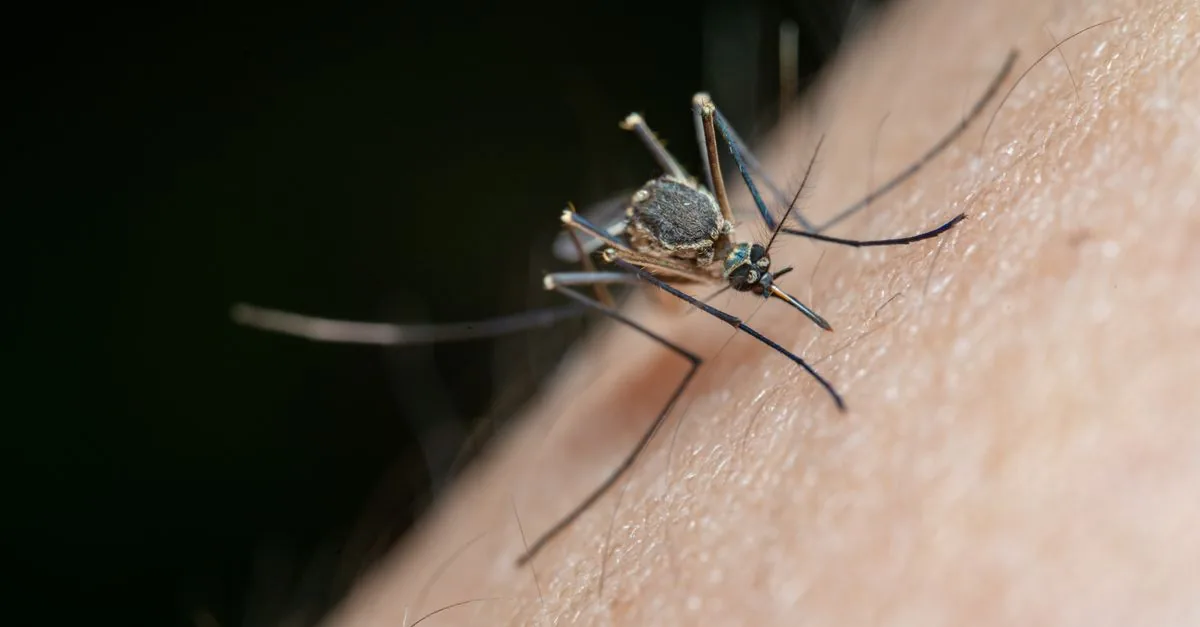
Mosquito control is the one pest job where what you do costs nothing and matters more than what you pay for. That is not a reason to skip treatment. It is a reason to understand the order of operations, because treatment applied to a home that is still breeding mosquitoes is money spent on a two-week reprieve.
Adult mosquitoes get killed by fogging and residual spraying. Larvae get killed by removing or treating standing water. If you do only the first, the water you still have produces a fresh generation within days, and by the third week you are back where you started — which is why so many people conclude that "fogging does not work".
In Delhi NCR this is a monsoon and post-monsoon problem, and it is a seasonal one: the weeks after the rains are when both mosquito numbers and dengue cases climb.
A note on these numbers. XpertWorker is a marketplace, not a service company. We do not set any professional's price and we never charge you a paisa. Every figure below is an indicative market range collected from what independent professionals in Delhi NCR generally charge — a guide to help you judge a quote, not a quote itself.
In this guide
Mosquito control cost — Delhi NCR, 2026
A single treatment is a season-long problem addressed once. Read the AMC row alongside it if you are somewhere the problem returns every year.
| Job | Typical market range | What it usually includes |
|---|---|---|
| Mosquito control / fogging | ₹800–2,000 | Fogging plus residual spraying of resting surfaces |
| General pest control — 2BHK | ₹800–1,500 | A crawling-insect treatment. Not a mosquito treatment |
| Herbal / odourless treatment | ₹1,500–3,500 | Lower odour, commonly asked for with infants at home |
| Annual pest control (AMC, per year) | ₹2,000–5,000 | Scheduled visits — the sensible option in a bad locality |
| Commercial / office (per sq ft) | ₹3–10 | Offices, restaurants, larger premises |
Indicative Delhi NCR market ranges, 2026. Each professional sets their own charge and quotes you free before starting. Parts are normally billed on top of labour.
Want a real quote for your own job?
Get free quotesThe ten-minute walk that beats any spray
Aedes mosquitoes — the daytime biters associated with dengue in Delhi — breed in small volumes of clean, still water. Not drains, not dirty water. A bottle cap is enough. Go round your own home and look for these.
- Plant pot saucers. The single commonest breeding site in Delhi flats. Tip them out weekly or fill them with sand.
- Money plants and vases with standing water indoors. Change the water weekly and scrub the container — eggs stick to the sides.
- Coolers. A desert cooler tank left standing between uses is a nursery. Empty and dry it fully when not in daily use.
- Fridge and AC drip trays. Behind the fridge, under a window AC. Rarely checked, frequently wet.
- Balcony junk. Old buckets, paint tins, discarded tyres, the base of a broken chair. Anything that holds a centimetre of rain.
- Overhead tank lids and the terrace. A tank that does not seal, a blocked terrace drain, or a puddle on a flat roof.
- Pet bowls and bird baths. Change daily rather than topping up.
What the treatment actually does
A proper mosquito job in a home has two or three parts, and knowing them lets you tell a real treatment from someone walking through with a fogging machine.
- Fogging (thermal or cold). Fills the space with a fine insecticide mist and kills adults on the wing. Its effect is immediate and short — it does nothing tomorrow.
- Residual spraying. A longer-lasting treatment applied to the surfaces mosquitoes rest on — behind furniture, under tables, dark corners, curtain folds, the underside of the bed. This is what carries the effect for weeks, and it is the part a rushed job skips.
- Larviciding. Treating water that cannot be removed — an underground sump, a tank — so larvae do not mature. Ask whether it is included if you have standing water you cannot drain.
Ask which of the three you are getting. A quote that is fogging only is a quote for a fortnight.
Timing, and the safety questions to raise
- Treat before the peak, not during it. In Delhi NCR that means as the monsoon establishes rather than after cases are in the news, and again post-monsoon. Booking in the middle of the season means competing for slots.
- It is a building problem as much as a flat one. Mosquitoes travel between units and breed in shared areas — the terrace, the basement, an unused tank, a stairwell puddle. A society-wide treatment plus drainage checks does far more than any single flat can. Raise it with the RWA.
- Fish tanks must be covered and pumps switched off. Insecticides are extremely toxic to fish. Say if you have an aquarium.
- Infants, asthma, pregnancy — say so up front. Ask about herbal or low-odour products and how long to stay out; expect a few hours and open windows afterwards.
- Mesh beats chemistry for the long term. Fitting mosquito mesh on windows is a one-off cost that keeps working every year without anyone spraying anything.
For the other pests and how each is priced, see our pest control price list, and our monsoon pest prevention tips for the habits that keep numbers down through the season.
Need an Pest Control professional?
Get free quotes from independent, local professionals near you. XpertWorker never charges you — you pay the professional directly.
Get free quotes →Frequently asked questions
How much does mosquito control cost in Delhi NCR?
Why do mosquitoes come back a few weeks after fogging?
Where do mosquitoes breed inside a Delhi flat?
Is fogging enough on its own?
When should mosquito control be done in Delhi?
Does XpertWorker do the treatment or set the price?
How we put this guide together
The ranges in this guide are indicative market rates compiled from real jobs across Delhi NCR and reviewed by the XpertWorker pricing desk. They are not quotes, and they are not our prices — every independent, local professional sets their own charge and quotes you free before any work starts.