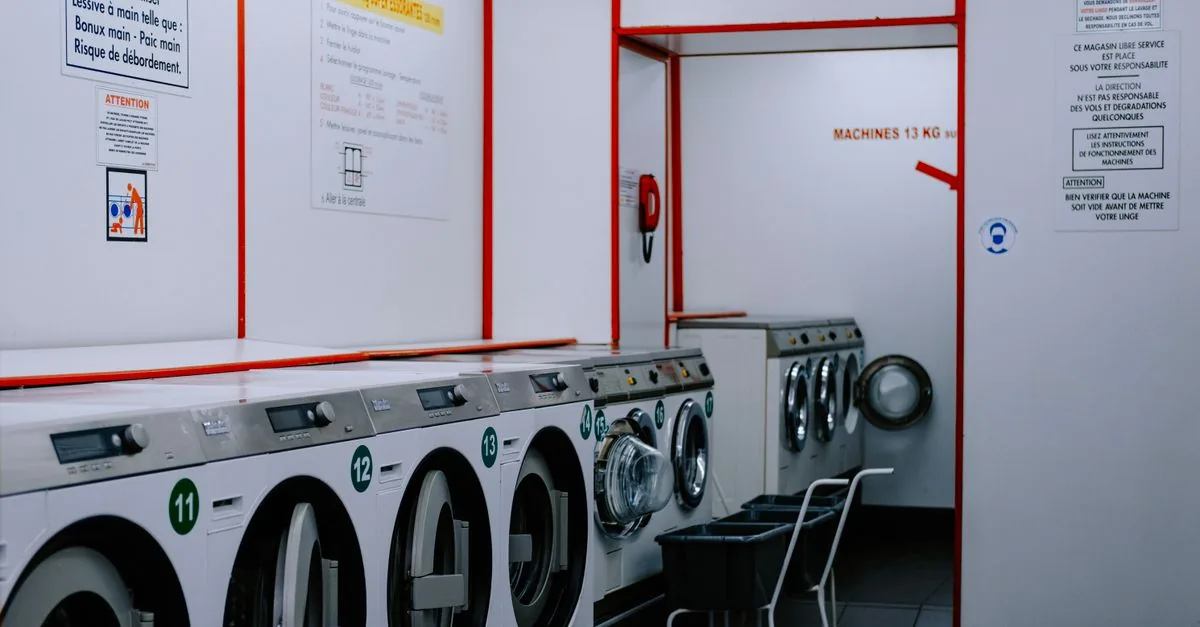
Most people who search for this think their machine is broken. Usually it is not. The number on a modern washing machine display is an estimate, not a countdown that was ever fixed. The machine weighs the load, senses how much water it has taken in, checks whether the water reached temperature and whether the drum balanced — and then it updates the estimate. Watching the time go up is watching the machine correct itself.
That said, some cycles really do run long, and the reasons are very Delhi-specific: water supply that arrives at low pressure for a few hours a day, so filling takes forever; a drain filter clogged with lint and hard-water scum, so pumping out drags; a drum that will not balance, so the spin is attempted again and again. This page separates the normal from the faulty, and gives you a simple timing test that proves which one you have.
A note first. XpertWorker is a marketplace, not a service company. We do not set any professional’s price and we never charge you a paisa. Every professional quotes you free before starting, and you pay them directly.
In this guide
What to check first, before you call anyone
All of these are free and most of them can be done during a single wash. Do them before assuming anything is wrong.
- Watch which stage it is stuck on. Note whether the extra time appears while it is filling, washing, rinsing or spinning. That single observation decides everything below.
- Check both taps are fully open. A tap turned three-quarters off is the most common cause of slow filling, and people close them after a leak scare and forget.
- Check the inlet hose is not kinked. Pull the machine out enough to see the hose behind it. A hose squashed against a wall halves the flow.
- Clean the inlet filter. Turn off the tap, unscrew the hose at the machine end, and look for a small mesh screen inside the inlet. In Delhi it clogs with silt, rust flakes and scale. Rinse it and refit it. This is one of the few genuinely useful five-minute jobs on a washing machine.
- Clean the drain pump filter. On front loaders it is behind a small flap at the bottom front. Lay a towel and a shallow tray down first, because water comes out.
- Reduce the load and try again. An overpacked drum cannot tumble, so the machine keeps adding wash and rebalance time. Take a third out and see if the estimate behaves.
- Compare like with like. Cotton and heavy-duty programmes are genuinely long. Check what the cycle is supposed to take before deciding it is running over.
- Note any error code. Photograph it. A code turns guesswork into a diagnosis.
Want a real quote for your own job?
Get free quotesWhy is my washing machine adding time?
Because it is measuring, not counting down. The time shown when you press start is a guess based on the programme you chose. Once the drum starts turning, the machine gathers real information and revises that guess. This is designed behaviour on almost every automatic machine sold today.
- Load sensing. The machine tumbles the drum for a minute or two and works out roughly how much is in it. A heavier load needs more water, more wash time and a longer spin, so the estimate goes up.
- Water sensing. It fills until a sensor says there is enough, not for a fixed number of seconds. If the water comes in slowly, that stage simply takes longer and the display grows to match.
- Temperature sensing. On a warm or hot programme the machine holds the wash until the water reaches the set temperature. Cold inlet water in January takes longer to heat than in June, so the same cycle is genuinely longer in winter.
- Foam sensing. Too much detergent, or ordinary detergent in a front loader, creates foam the machine has to rinse away. It adds rinses, and each one adds time. Hard water tempts people into overdosing detergent, which makes this common here.
- Rebalancing. If the drum will not balance for the spin, the machine refills a little, redistributes and tries again. Each attempt adds minutes.
A rule of thumb: if the time goes up early in the cycle and then settles, the machine is sensing. If it keeps climbing, or sits on the same minute for half an hour, something is actually blocked or slow.
Is it filling too slowly? How to test your water pressure
This is the biggest genuine cause in Delhi NCR. In many buildings the supply runs for a few hours morning and evening, and pressure at the tail end of that window is weak. Overhead tanks that sit only a floor or two above the machine give very little pressure at the best of times. The machine cannot start washing until it has enough water, so it waits — and the display grows.
The timing test. This proves it without any tools:
- Step one. Turn off the washing machine tap and disconnect the inlet hose from the tap. Point the free end into a bucket.
- Step two. Open the tap fully and time how long the bucket takes to fill, using the seconds on your phone. Note it.
- Step three. Now do the same with an ordinary tap elsewhere in the flat, ideally on the same supply line and at the same time of day.
- Reading the result. If the machine tap fills the bucket far more slowly than the other tap, the problem is between the two — a partly closed valve, a corroded angle valve, a kinked hose or a clogged inlet filter. If both are equally slow, your building pressure is simply low and the machine is doing its best.
- Repeat at a different hour. Try it early in the supply window and late in it. A large difference tells you the machine is fine and the timing of your wash is the variable.
What you can do about low pressure: run washes early in the supply window rather than at the end, avoid running the machine while the shower, the geyser and the kitchen tap are all in use, and get the inlet filter cleaned regularly because silt in Delhi water blocks it faster than most people expect. Our guide to low water pressure covers building-level fixes such as a properly sized pump or tank height, which are a plumber’s job.
Stuck on the spin, the drain or the heat
If the extra time is all in one stage, the fault is in that stage. Watch a full cycle once and you will know which of these you have.
- It keeps trying to spin and giving up. The machine detected an unbalanced drum. It slows, redistributes, refills a little and tries again, and every attempt adds several minutes. One bedsheet, one pair of jeans or a single blanket on its own is the classic trigger. So is a machine that rocks because it is not level on an uneven floor. Our guide on a washing machine that will not spin goes into it in detail, and a machine that shakes and moves covers levelling.
- Draining takes forever. A drain pump filter half blocked with lint, hair, coins and detergent scum still lets water through, just slowly. The machine waits for the water level to reach zero before it moves on, so a partial blockage stretches every drain stage in the cycle rather than causing an outright error. Clean the filter monthly if you wash a lot. See washing machine not draining for the full method.
- The drain hose is pushed too far down the floor drain. This creates a siphon and slow, awkward draining. It should discharge freely, not sit submerged.
- Hot washes run far longer than warm ones. A weak or scaled heating element takes a long time to reach the set temperature, and the machine will not move on until it does. Delhi’s hard water coats heating elements in scale, which insulates them. If cold washes finish on time and hot washes overrun badly, suspect the heater or its sensor. That is a technician job, not a home fix.
- Endless rinsing. Too much detergent, or high-foam detergent in a front loader. Halve the dose and see. Hard water genuinely needs a bit more detergent, but far less than most people use — our hard water tips explain the balance.
- It sits on one minute and never moves. If nothing is turning and nothing is draining, cancel the cycle rather than leaving it. A machine stuck with a full drum is either not draining or not getting a signal it needs.
Why does my washing machine end early, and when should I call someone?
A cycle that ends early is a different problem from one that runs long, and it is more often a real fault. The machine has decided it cannot continue and has stopped in a safe state.
- It ends early with wet clothes and water in the drum. The machine gave up on draining or spinning. Check the filter and the drain hose first.
- It ends early with an error code. Write the code down. Most codes point straight at fill, drain, heat or door.
- It ends early with soap still on the clothes. Rinsing was cut short, usually a fill or drain problem. Our guide on a machine filling or draining wrongly covers the pattern, and marks left on clothes covers detergent residue.
- It stops mid-cycle and the panel is dead. That is a power problem, not a timing one. See our guide on a washing machine clicking or not starting.
Call someone when: hot cycles overrun badly while cold ones are normal; the machine will not complete a drain even after the filter is clean; the same error code returns after a reset; the drum will not balance no matter how you load it or level it; or a cycle that used to take an hour now takes three with no change in your water supply.
Tell them, before they come: the brand and type of machine, the exact programme you ran, which stage the time was added at, the error code if any, whether cold cycles behave differently from hot ones, and what your bucket timing test showed. That last detail saves a wasted visit for a supply problem no appliance technician can fix. For what makes one job bigger than another, see our washing machine repair cost guide, and if you are weighing repair against replacement, how to choose a washing machine covers what matters on a weak Delhi supply.
Need an AC & Appliance Repair professional?
Get free quotes from independent, local professionals near you. XpertWorker never charges you — you pay the professional directly.
Get free quotes →Frequently asked questions
Why is my washing machine adding time to the cycle?
Why is my washing machine taking so long to fill?
How long should a washing machine cycle take?
Why does my washing machine keep repeating the spin?
Does low water pressure damage a washing machine?
Why does my washing machine finish before the cycle ends?
How we put this guide together
This guide is compiled from common Delhi NCR service patterns and reviewed by the XpertWorker team. XpertWorker connects you with independent, local professionals — we never charge you a paisa, and each professional sets their own price and quotes you free.