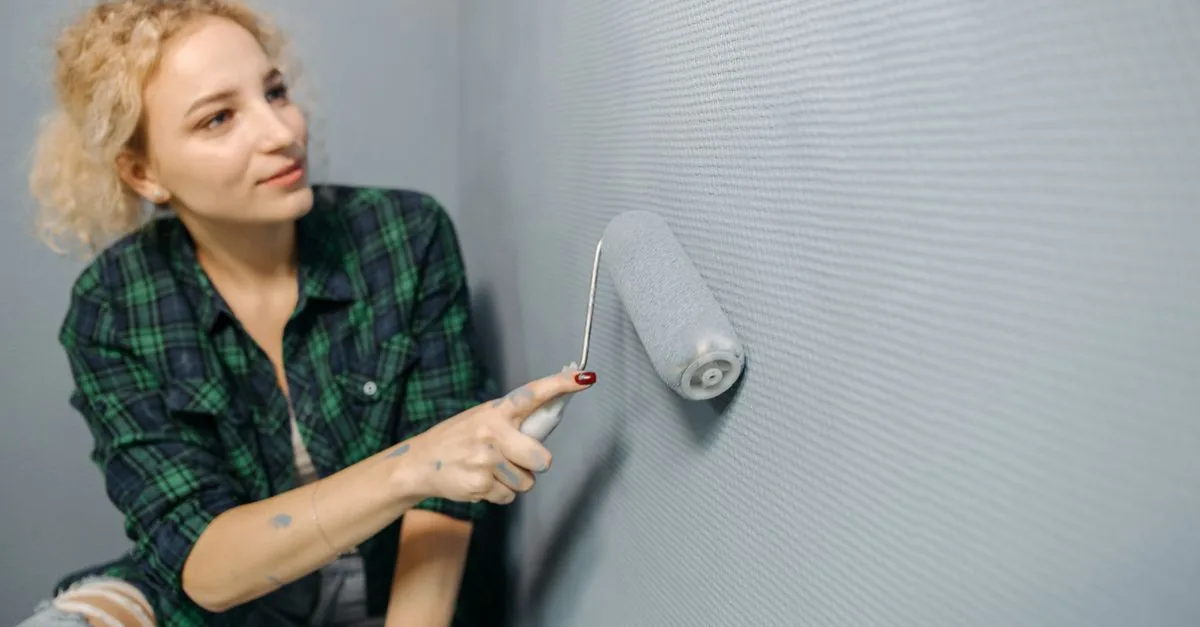
Choosing colour under a shop tubelight, from a card the size of a postcard, is how most people end up with a wall they quietly dislike for the next five years. The colour is rarely wrong in itself. It is being judged in the wrong light, at the wrong size, against the wrong background.
Delhi adds its own variables: very strong, warm sunlight for most of the year, dust that dulls surfaces between cleans, and afternoon sun that heats a west-facing room enough that the colour on that wall changes how the room feels.
One note first. XpertWorker is a marketplace, not a service company. We do not set any professional’s price and we never charge you. When a job below needs a professional, you choose an independent local one who quotes you free and whom you pay directly.
In this guide
1. Start with which way the room faces
This decides more about how a colour looks than the colour does.
- North-facing rooms get cool, steady light all day and very little direct sun. Cool greys and blues can look flat and cold here. Warmer whites, creams and soft earthy shades hold up better.
- South and west-facing rooms get strong, warm afternoon sun. Warm colours become noticeably more intense, and a shade that looked calm on the card can feel heavy by four in the afternoon. Slightly cooler or lighter versions balance it.
- East-facing rooms are bright in the morning and dull by evening. Judge the shade at both times before deciding, because you will mostly use the room in one of them.
- Rooms that face into a shaft, a narrow gap or another building get almost no direct light, which is common in Delhi flats. Deep colours turn muddy in these. Go lighter than instinct says.
Want a real quote for your own job?
Get free quotes2. Remember that colour affects heat, especially outside
- Dark exterior surfaces absorb more heat than light ones. On a west-facing outer wall or a terrace parapet in a Delhi summer, that difference is worth thinking about.
- Top-floor flats feel this most. The roof is already the biggest source of heat gain, so a light-coloured terrace surface and light outer walls help rather than hurt. Our summer cooling tips cover the rest.
- Strong sun fades strong colours fastest. Deep and saturated shades on an exterior wall lose their look sooner and more visibly than muted ones. A lighter version of the shade you want usually ages better outside.
- Inside, colour changes how a room feels even when the temperature is identical. Cooler shades in a room that already bakes in the afternoon are a small, free improvement.
Our exterior painting guide covers the grades that hold colour outdoors.
3. Test on your own wall, not on the card
This is the one habit that prevents almost every colour regret.
- Paint a large patch, not a small one. At least a couple of feet square. Colour intensifies as the area grows, and a small swatch always looks paler than the finished wall will.
- Put patches on more than one wall in the same room — one where the light falls and one in shade. They will not look like the same colour, and that is the point.
- Look at it at three times of day: morning, mid-afternoon and at night under your own lights. Warm bulbs and cool white LEDs pull a shade in opposite directions.
- Leave it up for a few days. First reactions to colour are unreliable. Living with it for a week tells you far more than staring at it for an hour.
- Test against your actual furniture and flooring, not a bare room. Wood tones, marble, tiles and curtains all push a wall colour one way or another.
4. Practical choices that make colour last
- Sheen matters as much as shade. The same colour in matt and in satin look like two different colours in Delhi afternoon light, and only one of them can be wiped clean. Our guide on choosing paint for a Delhi home covers sheen in detail.
- Very pale walls show Delhi dust fastest, especially in rooms facing a busy road. A slightly warmer off-white or a soft mid-tone stays looking clean for much longer between wipes.
- One deep accent wall is easier to live with than a whole deep room — and much easier to change later.
- Going dark to light costs an extra coat or a tinted primer. Decide this before quotes, not after. See how many coats you actually need.
- Keep a labelled part-tin of every shade. Touch-ups from the original tin disappear; a shade mixed two years later never quite matches. Our touch-up tips explain why.
- Fix damp before you think about colour. No shade survives a wet wall — see paint peeling off walls.
Need an Painting & Waterproofing professional?
Get free quotes from independent, local professionals near you. XpertWorker never charges you — you pay the professional directly.
Get free quotes →Frequently asked questions
How do I choose the right paint colour for my room?
Does wall colour make a room hotter in Delhi?
Which colours hide dust best?
How big should a paint test patch be?
How we put this guide together
This guide is compiled from common Delhi NCR service patterns and reviewed by the XpertWorker team. XpertWorker connects you with independent, local professionals — we never charge you a paisa, and each professional sets their own price and quotes you free.