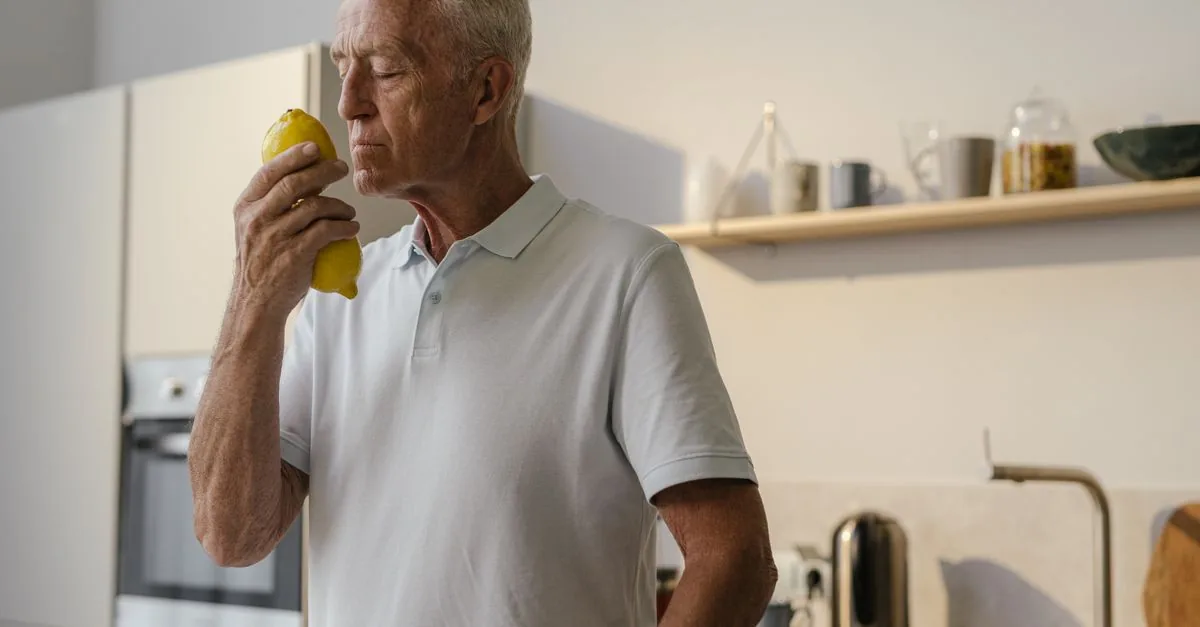
Water in a Delhi home passes through a long chain before it reaches your glass. It arrives from a DJB line, a borewell or a tanker, sits in an underground sump, gets pumped to an overhead tank, runs down through the building pipes, and finally goes through a purifier that has its own filters and its own small storage tank. A taste or a smell can come from any link in that chain.
The good news is that different problems taste different. Earthy is not the same as metallic, and metallic is not the same as salty. Each points at a different part of the chain, which means you can usually work out where to look before anyone opens anything.
This page describes what the equipment does mechanically and what a taste usually points at. It does not tell you whether your water is fit to drink — nobody can tell you that from a description. If you want to know what is actually in your water, get a sample tested at a laboratory and take the result to your supplier or the relevant local authority.
A note first. XpertWorker is a marketplace, not a service company. We do not set any professional's price and we never charge you a paisa. Every professional quotes you free before starting, and you pay them directly.
In this guide
First, work out where the taste is coming from
Four free questions will usually cut the possibilities in half. Answer them before you look at the purifier, because most people assume the purifier and are often wrong.
- Is it every tap, or only the purifier? Fill a glass from a normal tap and one from the purifier and compare. If both taste the same, the problem is upstream — supply, sump, tank or pipes — and changing filters will not fix it. If only the purified water is off, the problem is inside the unit.
- Is it every tap, or only one? A single bad tap points at that pipe run or that tap’s aerator, not at the whole building supply. This is common in older flats with mixed galvanised and PVC pipework.
- Does it change through the day? If the first water after the morning fill is bad and it clears after a minute, you are tasting what sat in the pipe or the tank overnight. If it is bad only in the hours right after a tanker delivery, it is the tanker.
- When exactly did it start? Right after a filter change, right after a tank cleaning, right after a tanker, or gradually over months? A sudden change has a sudden cause, and a gradual one is almost always a consumable wearing out.
Want a real quote for your own job?
Get free quotesWhat each taste or smell usually points at
These are the patterns technicians see most often in Delhi NCR. They are starting points for where to look, not a diagnosis of what is in the water.
- Chlorine or a swimming-pool smell. Municipal supply is dosed with chlorine as part of treatment, and the level varies. An activated carbon filter is the stage that removes that smell, so if it has appeared in your purified water, the carbon cartridge is usually exhausted. Standing an open jug for a while also lets it dissipate.
- Metallic, like a coin. Usually old galvanised iron pipes or an iron-bearing borewell supply. It is often worse in the first flush of the morning and after the pipes have been dry. Rust-orange staining in the sink or on a fresh sediment filter supports this.
- Earthy, musty or like wet mud. Almost always storage rather than supply — a tank or sump that needs cleaning, or a purifier storage tank that has not been sanitised. It gets worse in the monsoon and in summer when standing water is warm.
- Salty, bitter or flat. A salty or heavy taste in purified water often means the membrane is passing more dissolved solids than it used to. Flat and lifeless is the opposite problem — water stripped so far that the post-filter or mineral stage is meant to add taste back, and that stage is spent.
- Rotten eggs or drains. A sulphur smell can come from certain groundwater, but if it comes only from the hot tap it is usually the geyser tank, not your drinking supply. Test the cold tap separately to tell them apart.
- Plastic or rubber. Common for a few days after new tubing, a new tank or a new purifier. If it does not fade after a week of normal use, ask the installer to check what was fitted.
The tank is the most commonly ignored cause
In Delhi almost nobody drinks water straight off the mains. It sits in a sump and an overhead tank first, often for many hours, because supply runs for only part of the day. That storage is where most taste problems are born, and it is the part nobody opens.
- Sediment at the bottom of the tank. Silt from tanker and borewell supply settles into a layer. Stir it up — a refill, a pump surge — and it goes down the pipes. A tank that has not been emptied and scrubbed in years is doing this every day. Our tank cleaning guide covers what a proper clean involves.
- A missing or broken lid. An open tank on a Delhi roof collects dust, leaves, bird droppings and insects all year, and the smog-season dust load is heavy. A sealed lid and an insect mesh on the overflow pipe are cheap and they stop the problem at source.
- Sunlight on the tank. A translucent or light-coloured tank in direct summer sun encourages growth inside, which is the classic source of an earthy smell that appears only in the hot months.
- The purifier’s own storage tank. This one holds treated water for hours or days and forms a film inside over time. A musty taste with an otherwise normal TDS reading usually points here or at the tubing, not at the membrane.
Our water supply and tank tips cover the routine checks worth doing on the whole storage system.
If it is only the purified water, check these in order
When the normal tap is fine and only the purifier tastes wrong, the cause is inside the unit. Work through it in this order, because that is also the order of cost.
- The carbon pre-filter. This is the stage that removes chlorine and odours. When it is exhausted, smells it used to remove start coming through. It is the cheapest cartridge in the machine and the first suspect for any smell complaint.
- The post-carbon or mineral stage. Many units add a final polishing cartridge after the membrane specifically to improve taste. A spent one gives flat, dull water. Also inexpensive.
- Standing water. If you have been away, or the unit sat unused, drain the storage tank fully, let it refill and taste again before assuming a part has failed. This costs nothing and solves a surprising number of complaints.
- The membrane. The membrane is the barrier that reduces dissolved solids. When it is worn or fouled, the treated water gets closer to the input in both TDS and taste. Confirm it with a measurement, not a guess — see how to read a water test report and our membrane replacement guide.
- The UV lamp, if fitted. A UV stage does not change taste. If someone blames taste on the UV lamp, ask them to explain how — see RO vs UV for what each stage actually does.
When to stop guessing and get the water tested
Taste tells you where to look. It does not tell you what is in the water, and no technician can tell you that by tasting it either. Get a laboratory test when any of these apply.
- You have just moved in and do not know what your supply is. Delhi NCR readings vary enormously between localities, and between DJB line, borewell and tanker in the same street — so a neighbour’s number is not yours.
- The taste changed suddenly and stayed changed across all taps, and the tank has been cleaned recently so storage is ruled out.
- You are choosing a purifier and want to size it to your actual water rather than a salesperson’s guess. Our purifier choosing tips explain why the input reading drives the decision.
- Your supply visibly changed — colour, cloudiness, or grit — in which case report it to your supplier or local authority as well as testing it.
Take the sample from the tap you actually drink from, use a clean container the lab approves, and keep the report. A handheld TDS meter is a useful running check between tests, but it measures only one thing and is not a substitute for a lab report.
Need an Water Purifier professional?
Get free quotes from independent, local professionals near you. XpertWorker never charges you — you pay the professional directly.
Get free quotes →Frequently asked questions
Why does my water smell like mud or earth in Delhi?
My RO water tastes salty. What does that mean?
Why does my water smell of chlorine?
Why does only my hot water smell bad?
Can a water taste problem be fixed for free?
Does XpertWorker test my water or sell purifiers?
How we put this guide together
This guide is compiled from common Delhi NCR service patterns and reviewed by the XpertWorker team. XpertWorker connects you with independent, local professionals — we never charge you a paisa, and each professional sets their own price and quotes you free.