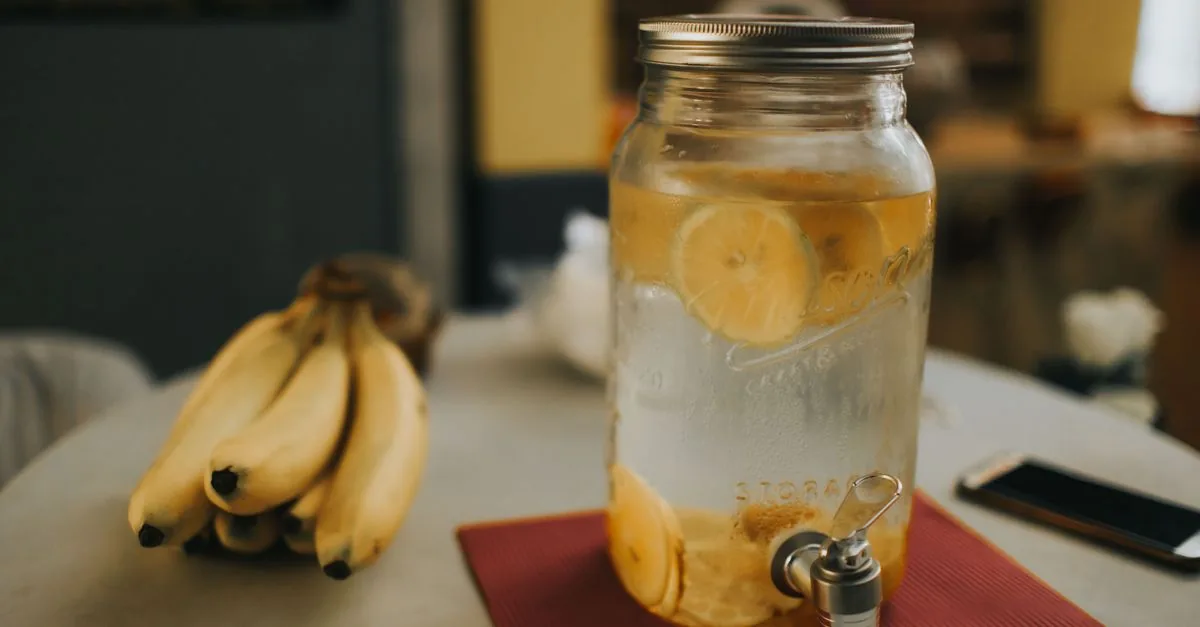
A purifier treats water once. After that it sits in a bottle, a matka, a steel pot or the machine’s own tank, sometimes for a day or two, in a Delhi summer, in a kitchen where several people help themselves from it. Everything that happens after the tap is up to you.
None of what follows is about what is in your water — for that, get a sample tested at a laboratory and read our water test report guide. This is about containers, cleaning and handling.
One note first. XpertWorker is a marketplace, not a service company. We do not set any professional’s price and we never charge you. When a job below needs a professional, you choose an independent local one who quotes you free and whom you pay directly.
In this guide
1. Choose containers you can actually clean
The test for a drinking water container is simple: can you get your hand or a brush all the way inside it, and can you see the bottom?
- Wide-mouth stainless steel or food-grade plastic beats a narrow-necked bottle you can never scrub. Anything you cannot reach into does not get cleaned, it gets rinsed.
- A lid that actually seals matters more in Delhi than most places. Kitchen dust here is relentless, and it is far worse through the smog months.
- A tap or a pouring spout beats an open pot that everyone dips a glass into. Removing hands from the process removes most of the problem.
- Earthen matkas need their own routine. They cool well, but the porous surface holds a film, so they need scrubbing every few days and replacing at the end of a season, not years later.
- Do not reuse thin single-use plastic bottles for weeks on end. They are hard to clean inside, they scratch, and they crack around the neck.
- Keep drinking-water containers for drinking water only. The jug that occasionally holds buttermilk is not the jug for the fridge shelf.
Want a real quote for your own job?
Get free quotes2. Wash them properly, on a schedule you will keep
A rinse under the tap is not a wash. The film that builds up on the inside of a bottle is exactly what you are trying to remove.
- Scrub the inside with a bottle brush and detergent every few days, and rinse thoroughly so no detergent is left behind.
- Pay attention to the lid, the threads and the tap. These are the parts nobody cleans and the parts hands touch most.
- Dry them upside down rather than sealing a damp bottle shut. Standing water in a closed container is what produces that stale smell.
- Descale when you see white film. Hard water across NCR leaves a chalky deposit inside steel and plastic alike. Our hard water tips cover descaling around the house.
- Do not forget the purifier’s own storage tank. It holds treated water for hours or days and is the last surface the water touches. Ask for it to be sanitised at every service — see what a service should cover.
3. Keep it moving rather than keeping it long
Stored water does not improve with age. The practical goal is a small amount, turned over often, rather than a large reserve that sits.
- Refill daily rather than topping up. Empty what is left, wash the container, and fill fresh. Pouring new water on top of old water means the bottom never turns over.
- Size the storage to what you drink, not to the biggest container you own. A vessel that takes three days to finish is doing you no favours.
- After a holiday, drain everything. That includes the purifier’s own tank — draw off several litres and discard them before you drink from a unit that has stood unused for a week.
- Keep it out of the sun. A bottle on a sunny windowsill through a Delhi afternoon is a warm, lit container of standing water. Cool and dark is the whole requirement.
- Label the emergency store. If you keep water aside for supply failures, date the containers and rotate them into normal use every few days rather than leaving them for months.
4. The handling habits that undo everything else
You can do all of the above and still lose it at the last step, which is how water gets from the container to the glass.
- Stop dipping glasses into the pot. Pour, or fit a tap. This is the single biggest change most kitchens can make.
- Keep the ladle or dipper out of the water between uses, on a clean covered plate rather than resting inside.
- Store containers off the floor and away from the bin, the sink splash zone and cleaning supplies.
- Ice is stored water too. Trays, moulds and the freezer drawer need the same washing routine, and covered trays keep freezer odours out.
- Fix the storage upstream as well. If your overhead tank has a broken lid or a thick sediment layer, everything downstream is working harder than it needs to — see our water supply and tank tips and the tank cleaning guide.
If the water tastes or smells off no matter how you store it, the cause is further back — our taste and smell guide works through where.
Need an Water Purifier professional?
Get free quotes from independent, local professionals near you. XpertWorker never charges you — you pay the professional directly.
Get free quotes →Frequently asked questions
How long can I store drinking water at home?
Which container is best for storing drinking water?
How often should I clean my water bottle or storage pot?
Do I need to drain my RO tank if I go away for a week?
How we put this guide together
This guide is compiled from common Delhi NCR service patterns and reviewed by the XpertWorker team. XpertWorker connects you with independent, local professionals — we never charge you a paisa, and each professional sets their own price and quotes you free.