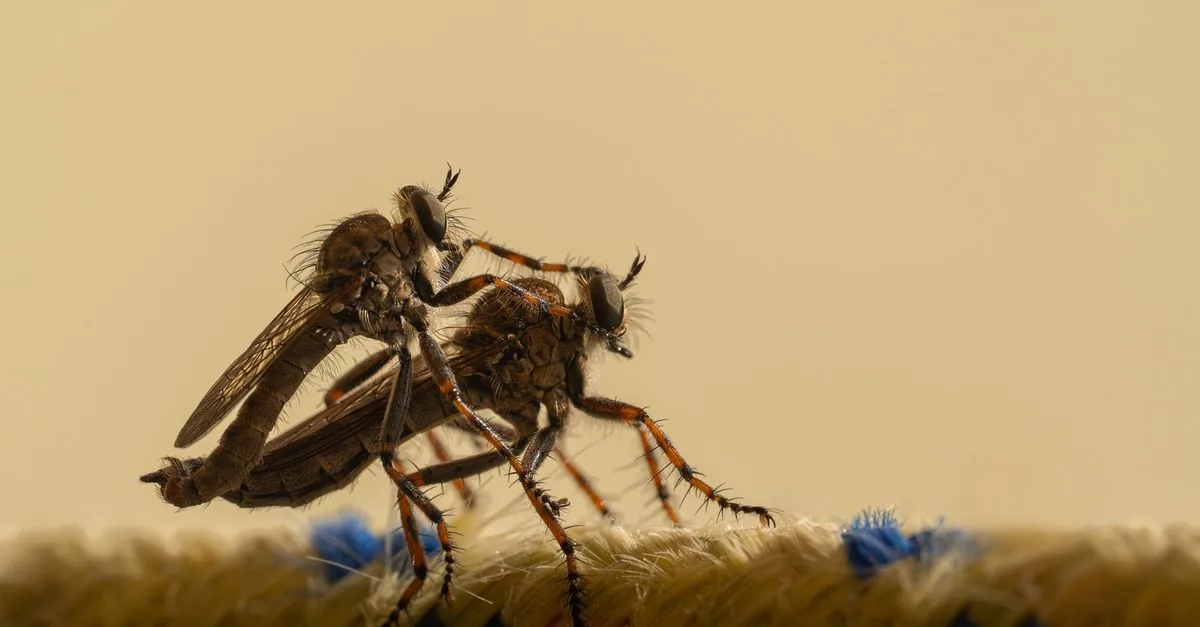
Almost everyone tries to solve flies at the wrong end. You buy a swatter, a sticky strip, an electric bat, a spray. All of them kill the flies in front of you, and by tomorrow afternoon there are the same number again, because somewhere within a short distance of your kitchen something is producing a fresh batch every day.
The single most useful thing you can do is work out which fly you have. There are three common household types and each one is effectively a signpost: a big house fly points outward, at waste and at whatever is happening near your building. A small fuzzy fly on the bathroom wall points at one specific drain. A tiny hovering fly near the fruit bowl points at something fermenting inside your kitchen. Same nuisance, three completely different jobs.
Delhi adds its own layer. A garbage collection point or a dhalao near the building, an open drain or nala, a meat or fish shop downstairs, a construction site, a society wet-waste room, and a monsoon that turns every damp corner into a breeding site — these are the outside pressures that decide how hard your screens have to work. Flies also contaminate food surfaces, which is reason enough to keep food covered while you deal with the source.
A note first. XpertWorker is a marketplace, not a service company. We do not set any professional’s price and we never charge you a paisa. Every professional quotes you free before starting, and you pay them directly. The professionals you would meet through us are independent; our checks are identity checks, not a skill test.
In this guide
Which fly do I have?
Look at size, shape and where in the home you see it. That is enough to place it, and placing it is most of the work.
- The common house fly. Grey, roughly the size you picture when someone says “fly”, active in daylight, buzzing around the kitchen, the dining table and the window glass. It breeds in decaying organic matter: wet kitchen waste, an open bin, a garbage point, animal waste, rotting vegetable matter. These are usually coming in from outside, which makes screening and bin discipline the main fixes.
- The drain fly (also called a moth fly). Small, dark, fuzzy, roughly triangular when at rest, with a moth-like look. It is a weak flier that sits motionless on bathroom or kitchen walls near a drain and hops rather than flies when disturbed. If this is your fly, the answer is almost always in one specific drain within a few metres, and no amount of screening will help.
- The fruit fly. Tiny, tan or brownish, often with reddish eyes, hovering around the fruit bowl, the wet bin, the sink, a wine or juice glass, or a bag of onions and potatoes. It breeds in fermenting material, and a fruit fly problem is essentially always coming from inside your own kitchen.
- Small flies around plants. Tiny dark flies drifting up when you water a pot are usually fungus gnats, which breed in permanently wet potting soil. That is an overwatering fix, not a pest treatment — see our balcony garden pest tips.
- Not a fly at all. Small flying insects around lights at dusk in Delhi are often mosquitoes or midges. If you are being bitten, that is a different problem entirely — see our mosquito control guide.
The rule to hold on to: flies do not travel far from where they hatched unless something pushes them. A steady indoor population means a steady nearby source. Find the source and the flies stop within days.
Want a real quote for your own job?
Get free quotesFind the breeding source, not the fly
Walk your home with this list. You are looking for anything wet and organic that has been left undisturbed for more than a couple of days. Most households find it in under twenty minutes.
- The wet-waste bin. The commonest source in a Delhi kitchen. Check the bin itself, the underside of the lid, the rim, and the liquid that collects at the bottom of the liner. A bin that is emptied daily but never washed is still a breeding site.
- Under and behind the bin. Spilled liquid that ran under the bin and dried is enough. Pull it out and look.
- The fruit bowl, and what is under it. One over-ripe banana or a single soft tomato at the back of the shelf runs a fruit fly population for weeks.
- Onions and potatoes. The sack or basket in the corner of the Delhi kitchen. One rotting onion at the bottom is a classic and often missed source.
- The sink, the strainer and the disposal area. Food debris in the strainer, under the sink mat, or trapped in the gap between the sink and the counter.
- The mop, the cloth and the bucket. A damp mop left in a corner and a bucket of standing water are both good breeding material.
- Drains and floor traps. Kitchen, bathroom, balcony and utility drains. A film of organic sludge on the inside wall of the pipe just below the grating is exactly what drain flies breed in. A rarely used bathroom whose trap has dried out is also an open door for anything below.
- Pet bowls and pet waste, birdseed, and a puja tray. Old prasad, flowers left out after a puja, and stale pet food all qualify.
- Balcony corners. Wet leaves in the drain outlet, a saucer under a pot, a bucket, the drip tray of the water purifier or the AC.
- Anything dead. A persistent fly problem in one room with a smell can mean a rodent or a bird has died inside a duct, a false ceiling or a shaft. See our rodent control guide if you also hear movement at night.
Drain flies: the fix is mechanical, not chemical
If you have small fuzzy flies sitting on the bathroom or kitchen wall, this section is your whole guide. Drain flies breed in the layer of organic sludge, called biofilm, that builds up on the inside wall of a drainpipe and around the grating. That layer is where the larvae live, and it is why pouring things down the drain rarely fixes it — liquid runs straight through the middle and leaves the film on the sides untouched.
- Confirm which drain first. Tape a piece of clear sticky tape over the drain opening overnight, sticky side down, leaving a small gap for air. In the morning, the drain with flies stuck to the tape is the one that is breeding them. Do this for each suspect drain and you will stop guessing.
- Scrub the pipe wall. Lift the grating, and use a stiff long-handled brush, a bottle brush or a drain brush to physically scrub the inside of the pipe as far down as you can reach, and the underside of the grating itself. This is the step that actually works.
- Flush with very hot water after scrubbing. To carry away what you have loosened.
- Consider an enzyme or bacterial drain product. These are designed to digest the organic film over repeated applications rather than to kill insects, so they are the right tool for the residue you cannot reach by hand. Follow the label instructions and give it several nights.
- Do not tip strong chemicals into a drain hoping to kill larvae. Bleach and acid drain openers pass straight through, do little to the film on the sides, can react badly with each other, and can damage older pipework. Never mix drain products.
- Keep unused traps wet. In a guest bathroom or a second WC that is rarely used, the water seal in the trap evaporates in Delhi’s heat and opens a path from the sewer line. Run the taps and flush once a week, and put a cover on floor drains.
- If the sludge is beyond your reach. A slow, smelly drain with recurring flies can mean a partly blocked line, which is a plumbing job rather than a pest job.
Screening, and the sources outside your control
Once the indoor sources are gone, the rest of the job is keeping the outdoor population outside. In much of Delhi that outdoor population is large and not yours to manage, so screening is the difference between a fly-free kitchen and a permanent battle.
- Mesh on every opening that opens. Windows, balcony doors, kitchen and bathroom ventilators, and the exhaust fan opening. Fine mesh, and check for torn corners and gaps at the runners of sliding frames, which is where most flies actually get in.
- The kitchen ventilator and the chimney duct. The two most commonly unmeshed openings in a Delhi flat, and both open directly into the room where food is.
- Door gaps. A brush strip or sweep on the main door, especially in ground-floor and builder-floor homes where the door opens to a corridor or a lane.
- Time your ventilation. House flies are daylight insects and are heaviest in the hours around the garbage collection round. Find out when the collection or the dhalao clearing happens near you and keep windows shut through that window.
- Keep food covered and surfaces wiped. Flies contaminate the surfaces they land on, so covered food and a wiped counter are basic while the source is being sorted out.
- Raise the outside sources properly. An overflowing dhalao, a wet-waste room that is not cleaned, an open drain, a blocked nala outside the boundary wall, or a neighbour’s uncovered waste. In a society this belongs with the RWA or the facility team, and it is far more effective than every flat spraying separately — see our tips on pests in a society building. In a standalone or rented house, the local municipal complaint channel is the route.
- Traps have a place, but it is a small one. Sticky strips, a light trap in a kitchen, and a covered vinegar trap for fruit flies all reduce the adults in the room. They are useful while you fix the source and useless as a substitute for it.
When to call someone, and what a good visit involves
Call a professional when the source is somewhere you cannot get to, or when it is not in your flat at all. Specifically: a persistent problem in one room where you suspect something has died inside a duct, a shaft or a false ceiling; drain flies that survive proper scrubbing and enzyme treatment, which suggests the breeding is deeper in a shared line; a fly load that follows a building-wide waste or drainage issue; or a problem that returns every few days despite a genuinely clean kitchen and screened openings.
What a competent visit should include:
- An inspection that hunts for the source. Drains, waste areas, shafts, the balcony, the utility area, and the space above a false ceiling if there is a smell. A technician who starts spraying without looking has skipped the only part that matters.
- Treatment aimed at breeding sites and resting surfaces, not a general fog of your living room. Fogging clears adults for a few hours and does nothing about tomorrow’s hatch.
- Honest advice on what is not a pest job. A blocked line, a broken trap, a building waste room, a dead animal in a duct — these need a plumber, the society, or a specific removal, and a good professional will say so.
- Precautions, in writing. Ask what to cover, how long to stay out and ventilate, what to do about food, utensils, pets, a fish tank or a birdcage, and ask to see the product label. Do not accept “it is completely harmless” as an answer; ask for the instructions. Our preparation guide covers what to clear before anyone arrives.
On money: we do not quote figures and we do not set anyone’s price. What drives it is the size of the home, whether it is a one-off round or a running arrangement, and whether flies are being treated alone or with other pests — see the pest control cost guide and the AMC guide. And be realistic: nobody can promise a fly-free home when the source is a garbage point outside your building. What they can do is reduce the pressure while you and your RWA work on the source.
Need an Pest Control professional?
Get free quotes from independent, local professionals near you. XpertWorker never charges you — you pay the professional directly.
Get free quotes →Frequently asked questions
Why are there so many flies in my house suddenly?
What are the tiny flies on my bathroom wall?
How do I get rid of fruit flies in my kitchen?
Do sticky fly strips and electric bats actually work?
How do I keep flies out when there is a garbage point near my building?
Why do flies keep coming back to one room only?
How we put this guide together
This guide is compiled from common Delhi NCR service patterns and reviewed by the XpertWorker team. XpertWorker connects you with independent, local professionals — we never charge you a paisa, and each professional sets their own price and quotes you free.