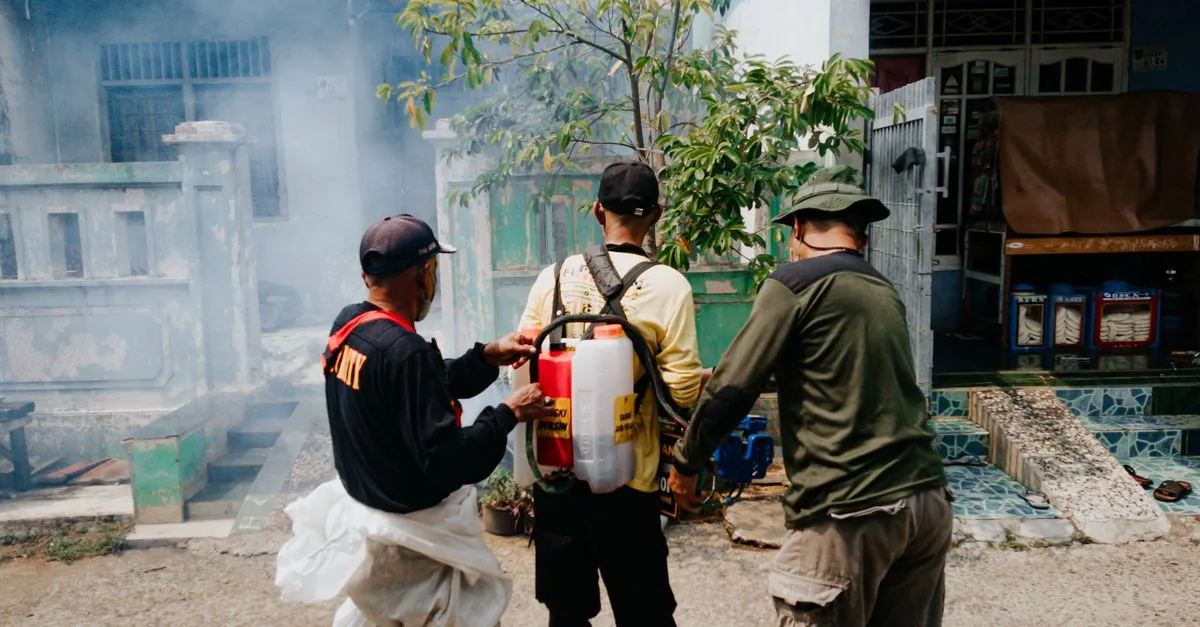
A pest control visit looks like something that happens to your home while you wait outside. It is not. It is a job you are half-doing yourself, and the half you control — what is cleared out, what is accessible, what you do afterwards — is where most disappointing results come from.
The pattern is very consistent. Cabinets stay full, so the treatment goes on cabinet doors instead of into the cracks where the roaches live. The gel dots get wiped off during the next morning’s cleaning. Nobody asks how long to keep the room ventilated or when a child can go back in. The follow-up visit that the plan depended on is never booked because things looked better for a fortnight. Then the pests return and the treatment gets blamed.
This guide is the checklist: what to ask before you book, what to clear before anyone arrives, what to say about the people, pets and plants in your home, what to do during and immediately after, and how to handle the follow-up. It applies to a general round, and it flags the extra steps for the specific jobs — cockroach gel baiting, bed bugs, termites and wood borer — which each need something different from you.
A note first. XpertWorker is a marketplace, not a service company. We do not set any professional’s price and we never charge you a paisa. Every professional quotes you free before starting, and you pay them directly. The professionals you would meet through us are independent; our checks are identity checks, not a skill test, so the questions below are yours to ask.
In this guide
What to ask before you book
Ask these on the call or in the chat, before anything is agreed. The answers tell you a great deal about who you are dealing with, and having them in a message protects you later.
- “Which pest are you treating, and how did you conclude that?” If it is a general round, ask what it covers. If you have a specific problem, describe what you have seen and send photographs. A technician who wants to inspect before quoting is a good sign, not a delay.
- “What method will you use, and where will it be applied?” Gel bait in cracks, a crack-and-crevice spray, drain treatment, injecting woodwork, a mattress and frame treatment. “We will spray the house” is not a method. Where it goes matters more than what it is.
- “How many visits does this include, and over what period?” Many treatments only work across two or more rounds, because eggs hatch after the first pass. Get the number of visits, the gap between them and what triggers a return visit written down.
- “What do I need to do before you arrive?” A good answer is specific: empty these cabinets, move furniture off the walls, cover the aquarium. A vague answer means you should use the checklist below anyway.
- “What precautions do you recommend, and can I see the product label?” Ask for the re-entry time, the ventilation time, what must be covered or removed, and what to wipe afterwards. Ask to be shown the label of what is being used, on site, before it is applied.
- “What is the total, and is anything extra?” Get the full quote in a message before work starts, including whether follow-up visits are included. You pay the professional directly — we do not set the price and we never take money from you. How prices are normally structured is in the pest control cost guide and, for yearly arrangements, the AMC guide.
Want a real quote for your own job?
Get free quotesWhat to clear before the technician arrives
This is the part that decides whether the treatment reaches the pest. The rule is simple: the technician needs to reach the cracks, the corners, the backs of things and the undersides — because that is where pests live and where treatment belongs.
- Empty the kitchen cabinets that are being treated. For a cockroach job, this is not optional. Take out the contents, especially from the cabinets around the sink, the hob and the fridge. Put the contents on the dining table and cover them with a sheet, or move them to another room.
- Pull furniture away from the walls. Beds, wardrobes, sofas, the fridge and the washing machine if you can. The gap behind them is exactly where the technician needs to work, and behind the fridge is the single most important spot in a Delhi kitchen.
- Put away food, utensils and cooking surfaces. Anything open goes into the fridge or into sealed containers. Cover the gas hob, the chimney filter, the water filter and any open drinking water. Put away crockery that is out on a rack.
- Clear the floor. Rugs rolled back if asked, floor clutter moved, shoes and mats out of the corners, and clear access to skirting, drains and pipe entries.
- For bed bugs, strip the beds. Bedding, sheets and pillowcases off and straight into a wash on the hottest setting the fabric allows, dried fully. Clear the clutter from under the bed, and empty the bedside drawers. See the bed bug guide for the full sequence — preparation matters more here than for any other pest.
- For wardrobes, silverfish or borer, empty the unit. Clothes and books out, drawers out, and the space vacuumed before the technician arrives.
- Do a normal clean, not a deep clean, and do it the day before. Sweep and clear crumbs so bait is the most attractive thing in the room. Do not scrub every surface with a strong cleaner right before the visit, and do not mop the skirting on the morning of it.
- Take photographs of the evidence first. Powder under furniture, mud lines, droppings, damaged packets, the spot where you see them at night. Show the technician before they start; it directs the work.
If you are short of time, prioritise access over tidiness. A technician who can reach behind the fridge, under the sink and along the skirting will do more for you than a spotless kitchen with every cabinet still full.
People, pets, plants: what to say in advance
Tell the professional who and what is in the home before the visit is scheduled, not when they are at the door. It changes the timing, sometimes the method, and always the precautions you will be asked to follow.
- Say who lives there. Infants and small children, an elderly family member, anyone who is unwell, a pregnant family member, anyone who stays home all day. Ask specifically what precautions they recommend for each of those, and how long the home should stay empty.
- Ask for the re-entry and ventilation times, and write them down. How many hours before anyone goes back in, how long windows and fans should stay on, and whether the recommendation differs for a bedroom, a kitchen and a bathroom.
- Pets need a plan, not an assurance. Dogs and cats out of the home for the stated period, litter trays, bowls, bedding and toys removed beforehand. A fish tank or aquarium needs the cover on and the air pump switched off for the period the technician specifies, and it should be mentioned at booking. A birdcage should be moved out of the home entirely. Ask for the specific instruction for each.
- Indoor and balcony plants. Move them out of the treated area or ask whether they should be covered, and ask when they can be watered again.
- Ask for the label, and read the precautions on it. The label carries the manufacturer’s instructions, and those are the ones that count. Do not accept “it is completely harmless”, “fully safe” or “child friendly” as an answer to a precautions question — that phrasing is a substitute for the instructions, not a summary of them.
- If odour is a concern, ask about it directly. Ask how strong it will be, how long it lasts, and whether a lower-odour approach is available for a bedroom or a nursery. Our low-odour options guide explains what those approaches are and, honestly, what they are not.
- Plan the day around it. Arrange for the family to be out, schedule the maid for the following day rather than the same evening, and in a shared building tell the flats above and below if drains are being treated.
During and right after: the mistakes that undo the work
This is where good treatments die. Almost all of these mistakes are things people do because they seem sensible.
- Walk the home with the technician before they start. Show them where you see the pests, at what time of day, and what you have already tried. Five minutes of this changes where the treatment goes.
- Do not mop or wipe the treated surfaces. The single most common way a treatment is wasted. Skirting, the backs of cabinets, corners, the area behind the fridge and around pipe entries should be left alone for the period the technician specifies. Ask for that period and tell whoever cleans your home.
- Do not wipe off the gel dots. Cockroach and ant gel looks like small dirty smudges inside cabinet corners and hinges, and household help removes them the next morning as a matter of routine unless told not to. Tell them, and point out where the dots are.
- Expect more activity for a few days, not less. After baiting, ants and roaches often become more visible for several days as they are drawn out and recruit to the bait. That is the treatment working. Do not spray over it, do not clean the trails, and do not call it a failure in week one.
- Ventilate as instructed, then return. Windows open, fans on, for the stated period. Wash the surfaces you eat and prepare food on before using them again, and leave the treated cracks and corners untouched.
- Do not add your own products on top. Spraying your own can over a bait placement repels the pests from the bait and undoes it. Pick one approach and let it run.
- Keep a note of what you see. Dates, rooms and numbers, even roughly. It is what turns the follow-up conversation from an argument into a diagnosis.
- Report anything unexpected immediately. A strong lingering smell, staining on a surface, or a pet or family member who feels unwell after a treatment should be raised with the professional straight away, and with a doctor or a vet if anyone is unwell.
The follow-up, and what to do if it did not work
Book the follow-up before the technician leaves, while everyone remembers what was agreed. A great many “the treatment failed” stories are really “the second visit never happened”.
- Know why the second visit exists. For most crawling pests, eggs survive the first pass and hatch days or weeks later. The follow-up is aimed at that hatch. Skipping it means treating the parents and letting the next generation start clean.
- Judge the result at the right time. Give a bait-based treatment a couple of weeks before deciding anything, and expect a temporary rise in activity first. Judging it after three days tells you nothing.
- If it genuinely has not worked, gather evidence before you call. Dates, photos, which rooms, roughly how many. Then ask the professional what they think changed and what the next step is. A reasonable one will come back and re-treat within the agreed scope.
- Check whether the source is outside your flat. In a society building, shared drainage stacks, shafts, basements, garbage rooms and neighbouring flats will re-seed a perfectly treated home. If that is the pattern, the fix is building-wide, not another round in your kitchen — see our tips on pests in a society building.
- Close the gaps yourself, afterwards. A treated home with open gaps is a home you will be treating again. Mesh, door sweeps, sealing pipe entries and covering drains are yours to do — the pest-proofing checklist lists them room by room.
- Think about timing for next year. Treating before the monsoon rather than during the peak, and using the pre-Diwali clean as the moment for a proper inspection, works out better than reacting in the middle of a surge. Our monsoon prevention tips cover the seasonal calendar.
One last thing worth being clear about: nobody can honestly guarantee that a pest will never return to a home in Delhi NCR, and we would not repeat such a promise on this site. What a good professional can do is reduce a population, explain the method, plan for the hatch, and be straight with you about what is a pest job and what is a plumbing, building or housekeeping job. That is the standard to hold them to.
Need an Pest Control professional?
Get free quotes from independent, local professionals near you. XpertWorker never charges you — you pay the professional directly.
Get free quotes →Frequently asked questions
What should I do before a pest control treatment at home?
How long should I stay out of the house after pest control?
Why are there more cockroaches or ants after pest control?
Can I clean the house after pest control treatment?
Is pest control treatment safe for children and pets?
What should I do if pest control did not work?
How we put this guide together
This guide is compiled from common Delhi NCR service patterns and reviewed by the XpertWorker team. XpertWorker connects you with independent, local professionals — we never charge you a paisa, and each professional sets their own price and quotes you free.