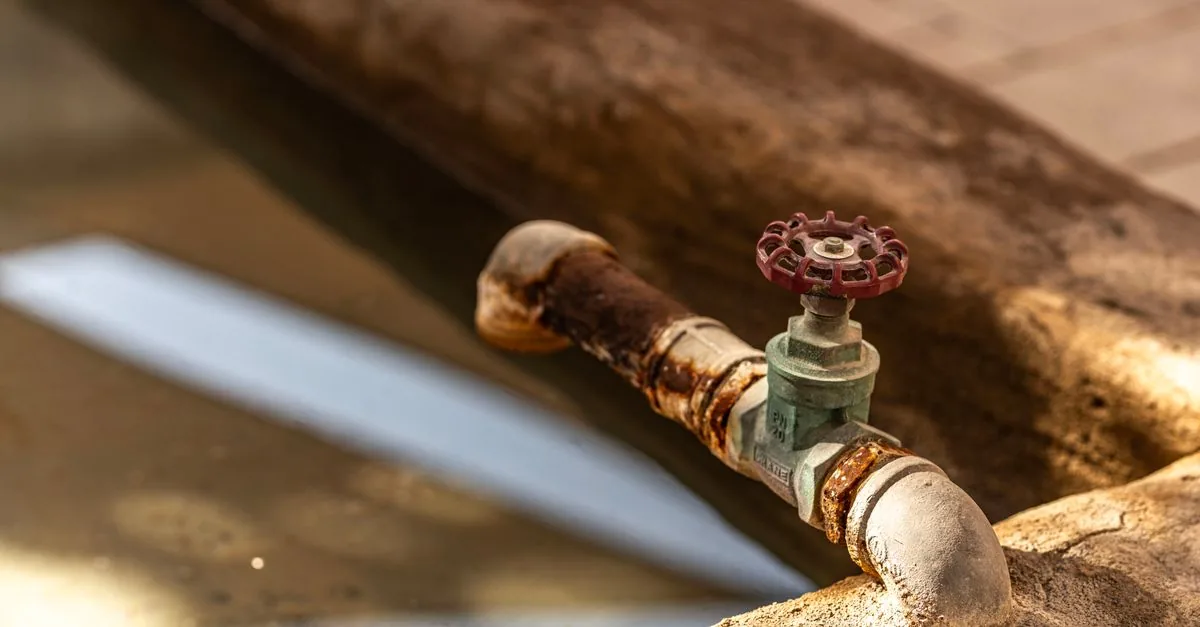
A geyser that has stopped heating altogether is easy to describe. A geyser that heats, but not enough, is the harder one — and it is the more common complaint in Delhi NCR, especially in the first genuinely cold week of the year.
Start by separating the symptom. Is the water never hot, only ever lukewarm no matter how long you wait? Or does it come out properly hot and then run out far too quickly? Or is it hot in the end but takes much longer to get there than it used to? Those are three different faults. Treating them as one is how people end up paying for the wrong repair.
There is also a seasonal answer that catches almost everyone. In a Delhi January the water arriving at your geyser is far colder than it was in October, so the same geyser working perfectly delivers noticeably less usable hot water per fill. Nothing has broken. The job simply got harder.
A note first. XpertWorker is a marketplace, not a service company. We do not set any professional’s price and we never charge you a paisa. Every professional quotes you free before starting, and you pay them directly.
In this guide
What to check first, before you call anyone
All free, all done without opening anything, and between them they solve a good share of these complaints outright.
- 1. Give it a full, undisturbed heating cycle. Switch on, leave it completely alone, and wait until the indicator says it has finished. Then check the water. Many “lukewarm” complaints are simply a tank being drawn from before it has finished heating, particularly on a cold morning when everybody is queuing for the bathroom.
- 2. Test at more than one tap. Run the hot water at the bathroom tap, then at the shower, then at the basin. If one outlet is lukewarm and another is properly hot, the geyser is fine and the problem is at that outlet — a mixer letting cold across, or a cartridge that has gone.
- 3. Open the hot tap fully, on its own. Many showers and mixers blend hot and cold. If you never actually get undiluted hot water out of the system, you are judging the geyser on a mixed sample.
- 4. Time how long the hot water lasts. Note the minutes from properly hot to noticeably cooling. Do it twice. That single number tells a technician more than any adjective, and it separates a tank-size problem from a heating problem.
- 5. Count who is using it and when. Three back-to-back baths on a winter morning from a small tank is not a fault, it is arithmetic. If the water is fine for the first person and cool for the third, the geyser is working and the tank is undersized for how you use it.
- 6. Compare against last year. Slower than it used to be, or always been this way? Gradually worse over seasons points at scale. Suddenly worse in one week points at a component.
- 7. Listen while it heats. Rumbling and popping is a scale signal, and scale is the reason a geyser gets slower every year. Our guide on a geyser making noise covers the sounds.
Want a real quote for your own job?
Get free quotesWhy is my geyser water only lukewarm?
If the water never gets properly hot no matter how long you wait, these are the usual causes in rough order of how often they turn out to be the answer.
- Cold water mixing in at the tap. The single most overlooked cause. A worn mixer cartridge, a failed diverter or a cheap shower valve lets cold cross into the hot side, so the geyser can be making perfectly hot water that never reaches you undiluted. Confirm it by testing a plain hot tap that does no mixing. This is a plumbing repair, not a geyser repair, and it is usually the cheaper outcome.
- A failing thermostat. The thermostat is what tells the element to stop. When it fails early it cuts the heating off before the tank is properly hot, so the water is warm and never more than warm, cycle after cycle. It is a consistent, repeatable symptom. Replacing it means opening a pressure vessel with a live element in it, so it is a technician job, not a home one.
- One element out of two. Some larger tanks have more than one heating element. If one fails, the geyser still heats, just weakly and slowly. The symptom is exactly “warm, never hot, and takes ages”.
- Heavy scale over the element. A thick calcium crust insulates the element from the water. Heat goes into the crust rather than the water, so the tank warms slowly and often never reaches temperature within a normal cycle. In hard-water areas this is a big share of lukewarm complaints from geysers more than a few seasons old.
- Power that is not really there. If the geyser is on a circuit that is dropping out, or a switch or connection is failing, it may be heating only part of the time. A geyser that trips or half-works electrically belongs in the tripping MCB guide and needs an electrician, not a bigger thermostat setting.
If it produces no heat at all rather than weak heat, read a geyser that is not heating instead — that is a different fault list.
Why does my hot water run out so quickly?
Because the tank is emptying faster than it can reheat — and the most frequent reason is simply that the tank is too small for how the household actually uses it.
- An undersized tank. A small storage geyser holds enough for one short bath, not for three people in sequence plus a bucket for the kitchen. If the first user is happy and the third is not, nothing is broken. The answer is a bigger tank, a second geyser, or staggering the baths so the tank can recover.
- Colder inlet water in winter. This is the local one everybody misses. Every litre of hot water you draw is replaced instantly by a litre of cold. In January that replacement water is far colder than it was in October, so it drags the tank temperature down faster and you get less usable hot water from exactly the same fill. Overhead tanks on a Delhi roof in January are genuinely cold. This is why the same geyser that felt fine in November feels inadequate in the second week of January.
- Scale stealing tank volume and slowing recovery. Sediment takes up space in the tank and the crust on the element slows reheating, so the tank both holds less and recovers slower. Two hits from one cause.
- Mixing at the shower. If a mixer is passing cold into the hot line, you open the hot side further to compensate, empty the tank faster, and blame the geyser. Check a plain hot tap.
- A hot water leak somewhere. A dripping hot tap or a slow leak on the hot line quietly drains heated water all day. Look for a valve dripping and for damp patches. If the safety valve on the geyser is releasing water, read the pressure valve guide, and for other leaks see a leaking geyser.
If you are weighing up a replacement because the tank is simply too small, our guide on instant versus storage geysers sets out which suits which kind of household, and what drives geyser installation cost covers the factors that change the job.
Why is my geyser taking so long to heat?
If it gets there in the end but takes far longer than it used to, you are almost always looking at scale, season, or both.
- Scale insulating the element. The classic. A geyser that heated in twenty minutes three winters ago and now takes forty has not lost power; the element is wearing a calcium blanket that slows heat getting into the water. It gets worse every season, and it never gets better on its own. This is the strongest reason to have a geyser serviced in a hard-water city rather than waiting for it to fail.
- Colder starting water. Heating a tank from a January inlet temperature takes materially longer than heating the same tank in October, because there is more temperature to climb. If the slowdown appeared with the cold weather and the geyser is otherwise fine, this may be the whole story.
- One element of two gone. On a multi-element tank, half the heating power means roughly twice the time. Consistent, not gradual.
- A thermostat cycling early. A failing thermostat can cut in and out repeatedly, so the geyser spends less time actually heating than the clock suggests. Often paired with lukewarm output.
- It was always this slow. Worth being honest about. A small instant geyser asked to fill a bucket, or a storage tank switched on five minutes before the bath, was never going to be quick. Switching on earlier is free.
When to call someone, and what to tell them
Call once your free checks have narrowed it down, because arriving with the pattern already described saves a visit.
- Call a plumber if one outlet is lukewarm while another is properly hot, if a mixer or shower valve is suspected, or if a hot tap is dripping. That is tap and pipework work, and it is often the least disruptive outcome.
- Call a geyser technician if every outlet gives the same lukewarm water, if the geyser has got steadily slower over seasons, if it rumbles while heating, or if you suspect the thermostat or an element. Those are inside-the-tank jobs.
- Call an electrician if the geyser also trips the breaker, if the switch is warm or discoloured, or if anyone has felt a tingle from a tap. Those symptoms outrank the temperature complaint entirely.
- What to tell them. Which of the three complaints you have, how many minutes of hot water you get, how long a full heating cycle takes now compared with before, the tank size and rough age, storage or instant, whether it rumbles, how many people use it back to back, and whether your supply is DJB, borewell or tanker. Hardness of supply genuinely changes the diagnosis.
- Ask what was found, not just what was replaced. A thermostat and an element look similar on a bill. Ask which was faulty and why, and ask for the old part back. It is a reasonable request.
Two things not to accept. First, a recommendation to run the geyser hotter as the remedy: that raises scalding risk and accelerates scaling without fixing the fault. Second, a new geyser proposed before anyone has looked at the mixer, because a cold-crossing mixer produces exactly this complaint and has nothing to do with the tank.
For the wider cost picture before you decide, see what drives plumber charges in Delhi NCR and what drives geyser installation cost in Delhi. Our winter geyser safety tips and winter home care tips cover getting the whole flat ready before the cold arrives.
Need an Plumber professional?
Get free quotes from independent, local professionals near you. XpertWorker never charges you — you pay the professional directly.
Get free quotes →Frequently asked questions
Why is my geyser water only lukewarm and never hot?
Why does my hot water run out so quickly in winter?
Why is my geyser taking so long to heat now?
Should I increase my geyser thermostat setting to get hotter water?
Is my geyser too small for my family?
Could a shower mixer be the reason my water is not hot enough?
How we put this guide together
This guide is compiled from common Delhi NCR service patterns and reviewed by the XpertWorker team. XpertWorker connects you with independent, local professionals — we never charge you a paisa, and each professional sets their own price and quotes you free.