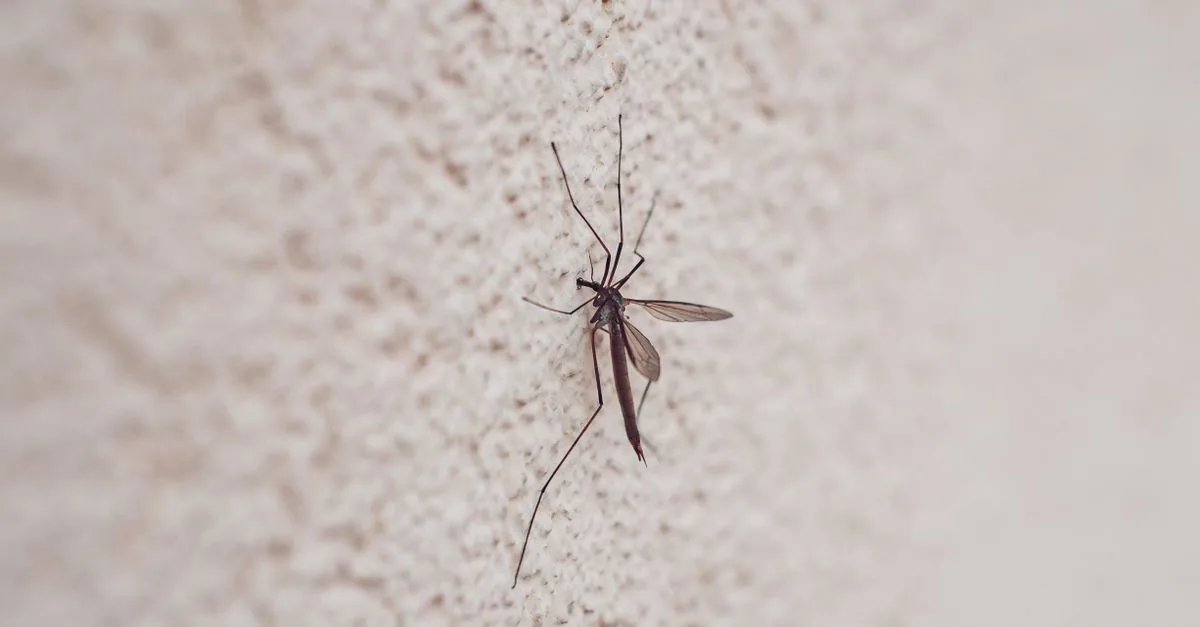
Insects appearing in a closed bathroom feel like they came from the drain, and usually they did. But there are two very different things people mean by “mosquitoes in the toilet”, and telling them apart is the whole job.
Drain flies are small, dark, fuzzy, moth-like insects that sit flat on tiles and walls near a drain. They are much commoner than mosquitoes in a bathroom, and they breed in the soft organic film that builds up inside a drain pipe. Mosquitoes are slender, long-legged and fly away when you approach; when they are breeding indoors it is in standing water — a bucket, a rarely used cistern, a floor trap that never dries.
Both are Delhi problems in the same months. From the first rains through to the end of the monsoon, standing water is everywhere and drains stay wet, and every home with a rarely used bathroom finds out about it. Neither is a plumbing fault as such — both are a housekeeping problem with a mechanical fix.
A note first. XpertWorker is a marketplace, not a service company. We do not set any professional's price and we never charge you a paisa. Every professional quotes you free before starting, and you pay them directly.
In this guide
Free checks: what have you actually got, and where is it breeding?
Ten minutes with a torch answers this. Do not spray first — killing the adults tells you nothing and they come back the next day from the same place.
- Look at one closely. Drain flies are tiny, grey or dark brown, furry, with wide rounded wings held flat over the body like a little moth. They are poor fliers, they hop rather than fly, and they sit still on a wall long enough for you to look at them. Mosquitoes are slender, long-legged, hold their body at an angle and take off as your hand approaches.
- Watch where they rest. Drain flies sit on the tiles and wall within a metre or so of a drain, on the underside of the wash basin, or around the floor trap. Mosquitoes rest in dark still corners, behind the door, under the basin, behind the cistern, and in the folds of a hanging towel.
- The tape test on the drain. This is the definitive one. At night, stick a piece of clear sticky tape over the drain opening, sticky side down, leaving a small gap for air. Check it in the morning. Insects stuck on the underside mean they are coming up out of that drain and it is a breeding site. A clean tape over several nights means they are coming from somewhere else. Do it on every drain: bathroom floor trap, basin, shower, and the kitchen sink.
- Hunt for standing water. Torch in hand, check every place water can sit: buckets and mugs left full, the cistern of a rarely used WC, a floor trap in a spare bathroom, the drip tray under a water purifier, a bucket under a slow leak, plant pot saucers on the balcony, the water meter pit, and any open overhead or underground tank hatch. Mosquito larvae are visible to the naked eye as small wriggling shapes that dart down when the water is disturbed.
- Check which room they are worst in. Insects concentrated in one rarely used bathroom point at that room’s drain or cistern. Insects spread through the flat point at something outside the bathroom.
- Smell the drain. A stale or sewage smell alongside the insects suggests the trap has dried out or is not sealing — see bathroom smells of sewage and drain gurgling and bad smell.
Want a real quote for your own job?
Get free quotesDrain flies: the far commoner answer
If you have small insects in a bathroom, this is the likeliest explanation by a long way. They are also called moth flies or sewer flies. They are a nuisance rather than anything else, and they are entirely solvable without a professional.
- What they look like. Two to five millimetres, dark, distinctly fuzzy, wings held flat and rounded over the back like a tiny moth. They fly weakly in short hops and are easy to catch by hand, which mosquitoes are not.
- Where they breed. Not in the water — in the gelatinous film that coats the inside of a drain pipe, the underside of the strainer, the walls of the floor trap, and the rim inside the basin outlet. That film is a build-up of soap, hair, skin, toothpaste and grease, and it is the whole food supply. Any pipe that stays damp and is not scrubbed will grow it.
- Why chemicals do not work. Liquid poured down a drain runs straight through the middle and down the pipe. The film is stuck to the walls above the water and the liquid barely touches it. This is why people report the flies coming back within days of pouring something down.
- The fix is mechanical. Scrub. Lift the drain cover and the strainer, take out the hair and gunk, and physically scrub the inside of the drain and the top of the pipe with a stiff bottle brush or an old toothbrush on a wire, as far down as you can reach. Then flush with a kettle of hot water and detergent. Repeat over three or four days, because eggs and larvae in the film need more than one pass.
- Then keep it up. A quick brush of the drain mouth once a week is the whole prevention strategy. Same principle in the kitchen — see how to clean a kitchen sink and drain.
- Check every drain, not just the obvious one. They will happily breed in a shower drain, the basin, a utility area gully or a rarely used bathroom, and you will keep seeing them if you clean only one.
Is it DIY? Yes. This is genuinely a scrubbing brush and hot water job. If the drain is also draining slowly, deal with that too — a sluggish drain holds far more film. See blocked drain.
Actual mosquitoes: something in the flat is holding still water
Mosquitoes need standing water to breed, and they do not need much of it or for very long. If you have confirmed they really are mosquitoes, the job is to find every container of still water in and around the home and deal with all of them, because leaving one is the same as leaving them all.
- The cistern of a rarely used WC. A guest or servant bathroom that is flushed once a month has a large, still, covered body of water sitting in it. This is one of the most overlooked breeding sites in Indian flats. Lift the lid and look.
- Buckets, mugs, drums and stored water. Where supply is intermittent, most Delhi homes store water. Stored water is fine if it is covered and turned over. It is a breeding site if it stands open for weeks.
- A floor trap that always holds water and is never used. Traps are supposed to hold water — that is the seal. In a room that is never used, that water is undisturbed for months.
- The small stuff nobody checks. Drip trays under a water purifier or fridge, the tray under a potted plant, a bucket under a slow tap leak, a blocked balcony drain holding a puddle, the water meter chamber, a discarded tyre or paint tin on the terrace, and the gap on top of an overhead tank with a broken lid.
- The fix. Empty and scrub anything that holds water at least once a week — scrub, because eggs stick to the sides above the waterline and simply tipping the water out leaves them. Cover stored water and tank hatches properly. Flush every WC in the flat once a week, including the ones nobody uses. Keep balcony and terrace drains clear so nothing puddles. Fit or repair mesh on windows and use it in the monsoon months.
- What does not work. Spraying the room kills the adults you can see and does nothing about the water they came from. You will be spraying again in two days.
Monsoon pest prevention tips covers the weekly routine for the rainy months, and pest-proofing your home covers meshing and sealing.
A dried-out trap: the route in from the pipework
Every drain in the home is supposed to have a water seal in it — a U-bend or a floor trap holding a small pool of water that blocks the pipe. If that water evaporates, the pipe is open, and insects and smell come up through it freely.
- How to spot it. Insects and a stale or sewage-like smell appearing together, in a bathroom that has not been used for a while. Very common after a family has been away, and common all summer in a spare bathroom, because a shallow trap in a hot dry Delhi flat can evaporate empty in a couple of weeks.
- How to confirm it. Pour a bucket of water slowly down the floor trap and the basin and check the next day. If the smell and the insects reduce sharply, the seal had dried out.
- The fix. Run every tap and pour water down every floor trap in the home once a week, including in the bathrooms nobody uses. If a particular trap dries out repeatedly within days, a small amount of cooking oil poured in after the water slows evaporation, because the oil floats on top of the seal.
- Cover the opening. A proper drain cover or a simple grating over a floor trap keeps insects from moving in and out and stops hair and debris feeding the film. Cheap and effective.
- When it is not the trap. If the seal is full and the smell and insects persist, the problem may be a damaged or badly vented drain line rather than housekeeping. That is a plumber’s job — see drain gurgling and bad smell.
Is it DIY? Mostly yes. Keeping traps wet and covered is housekeeping. Anything involving opening up or re-routing drainage is not.
When to call someone, and what to tell them
Try the free work first. A week of scrubbing the drains, keeping traps wet and clearing every container of standing water solves the large majority of these cases without anyone visiting. Call someone if the insects persist after all of that, if they are coming from a shared shaft or a neighbouring flat, or if the whole building has the same complaint.
- Say which insect you have, and how you know. “Small fuzzy moth-like flies sitting near the floor trap, caught on tape over the drain overnight” is a completely different job from “mosquitoes, and I found larvae in the guest bathroom cistern”.
- Say which rooms and which drains. The tape test result per drain is the most useful thing you can hand over.
- Say what you have already done. Scrubbed the drains, emptied the buckets, flushed the unused WC, poured water down every trap — this stops you paying for advice you have already acted on.
- Say if it is a whole-building problem. If neighbours have it too, the breeding site is very likely in a shared shaft, a common drain chamber, the underground tank area or standing water in the compound, and it needs to be raised with the RWA or the society rather than treated flat by flat.
- Ask what will actually be treated. A treatment that ignores the breeding site is a temporary knockdown of adults. Ask what they will do about the source, and what you need to keep doing afterwards.
- Ask about pets, children and food areas before any treatment, and follow the re-entry and ventilation instructions you are given.
For what drives the cost of a treatment, see mosquito control cost in Delhi and pest control cost in Delhi NCR. If the drain is slow as well as buggy, blocked drain and preventing blocked drains are the next reads.
Need an Pest Control professional?
Get free quotes from independent, local professionals near you. XpertWorker never charges you — you pay the professional directly.
Get free quotes →Frequently asked questions
Why are there mosquitoes in my toilet?
What are the tiny flies coming out of my bathroom drain?
Will pouring bleach or acid down the drain kill drain flies?
How do mosquitoes breed inside a bathroom?
Why do insects and a bad smell come up my bathroom drain together?
How do I stop mosquitoes coming from the bathroom drain?
How we put this guide together
This guide is compiled from common Delhi NCR service patterns and reviewed by the XpertWorker team. XpertWorker connects you with independent, local professionals — we never charge you a paisa, and each professional sets their own price and quotes you free.